By 120 Reviews

Wisdom Teeth Removal
Disclaimer: This Image is for illustrative purposes only. Individual results and patient outcomes may vary.
Wisdom Teeth Removal Port Macquarie, Laurieton & Wauchope
Feeling pressure or pain at the back of your mouth? Or maybe your dentist has flagged that your wisdom teeth might cause trouble down the line.
Whether they’re already causing problems or you want to stay ahead of potential issues, we can help you understand what’s going on and what your options are.
MANAGING WISDOM TEETH CONCERNS
Wisdom teeth are the final molars to emerge, typically between ages 17 and 25. When adequate space isn’t available, they can cause pain, infection, or damage to adjacent teeth. Removal aims to help address these problems and can help support your oral health.
We’ll assess your situation carefully and discuss the most appropriate approach for your circumstances.
Young adults and families from Wauchope, Port Macquarie, Laurieton & Surrounding Areas, and throughout the Hastings region trust our experienced team here at Wauchope Dental for comfortable wisdom tooth extractions.
WHAT WISDOM TEETH REMOVAL CAN HELP WITH
PAIN OR INFECTION FROM IMPACTED TEETH
When wisdom teeth can’t emerge correctly, they cause recurring pain, swelling, and infection in surrounding gum tissue. Removal aims to address the source of the problem and can help reduce the likelihood of these issues returning.
CROWDING OR DAMAGE TO ADJACENT TEETH
Wisdom teeth pushing against neighbouring teeth may contribute to crowding or damage to adjacent molars. Removing problematic wisdom teeth aims to help protect the teeth beside them and may help maintain overall alignment.
DECAY IN DIFFICULT-TO-REACH AREAS
Partially erupted wisdom teeth create spaces where food and bacteria accumulate, making decay and gum disease more likely. These areas are challenging to clean properly, even with thorough oral hygiene. Removal aims to help eliminate these problem areas.
YOUR WISDOM TEETH REMOVAL APPOINTMENT

DETAILED EVALUATION AND PLANNING
We’ll examine your wisdom teeth using radiographs to understand their position and root configuration.

ANAESTHESIA AND PREPARATION
Local anaesthetic numbs the area thoroughly, with sedation options available if you’d prefer them.

TOOTH REMOVAL PROCEDURE
We’ll remove the tooth, sometimes dividing it into sections if impacted, then clean the area thoroughly.

SUTURES AND RECOVERY GUIDANCE
Dissolvable sutures may be placed, and you’ll receive clear instructions for managing healing at home.
Risk & Recovery
Possible Risks
- Dry socket can occur when the blood clot dislodges, exposing bone and causing considerable pain
- Nerve damage is uncommon but can cause temporary or, very rarely, permanent numbness
- Infection may develop despite antibiotics and careful aftercare
- Adjacent teeth may sustain damage during removal, particularly if teeth are positioned closely
Recovery
- Swelling and discomfort typically peak around days two to three, then progressively improve
- Soft foods only for at least three to five days, advancing to normal diet as comfortable
- Avoid smoking, alcohol, straws, and strenuous activity for at least three to five days
- Most patients return to work or study within two to five days depending on complexity
TRANSPARENT PRICING, NO SURPRISES
We believe you should know what to expect before you book. Download your free copy today.
FAQ's: Wisdom Teeth Removal
Honest answers to help you feel informed and comfortable.
Do all wisdom teeth require removal?
Not all wisdom teeth need removal. If they’ve emerged fully, are positioned properly, can be cleaned effectively, and aren’t causing problems, they can often remain. Your dentist evaluates your individual situation to determine whether removal is necessary.
Some people never develop wisdom teeth at all, while others have them emerge without complications. Regular dental visits include monitoring wisdom teeth development so problems can be identified early if they occur.
Should I expect pain during the procedure?
You shouldn’t experience pain during removal because of the local anaesthetic. You may notice pressure or movement, but not pain. After the anaesthetic effect diminishes, you’ll have some discomfort that can usually be managed with prescribed or standard pain medication.
If you’re feeling anxious about the procedure, we can discuss sedation options to help you feel more relaxed and comfortable. Many patients find that understanding what to expect makes the experience much less stressful.
Should all four wisdom teeth be removed together?
This depends on your individual circumstances, the complexity of the extractions, and your preference. Removing all four at once means one recovery period, but some patients prefer to have them removed in stages. Your dentist can discuss the most appropriate approach.
Factors we consider include the position of your wisdom teeth, whether they’re causing problems, your overall health, and your comfort level. There’s no single approach that suits everyone.
YOUR PAYMENT PLAN OPTIONS




why choose us
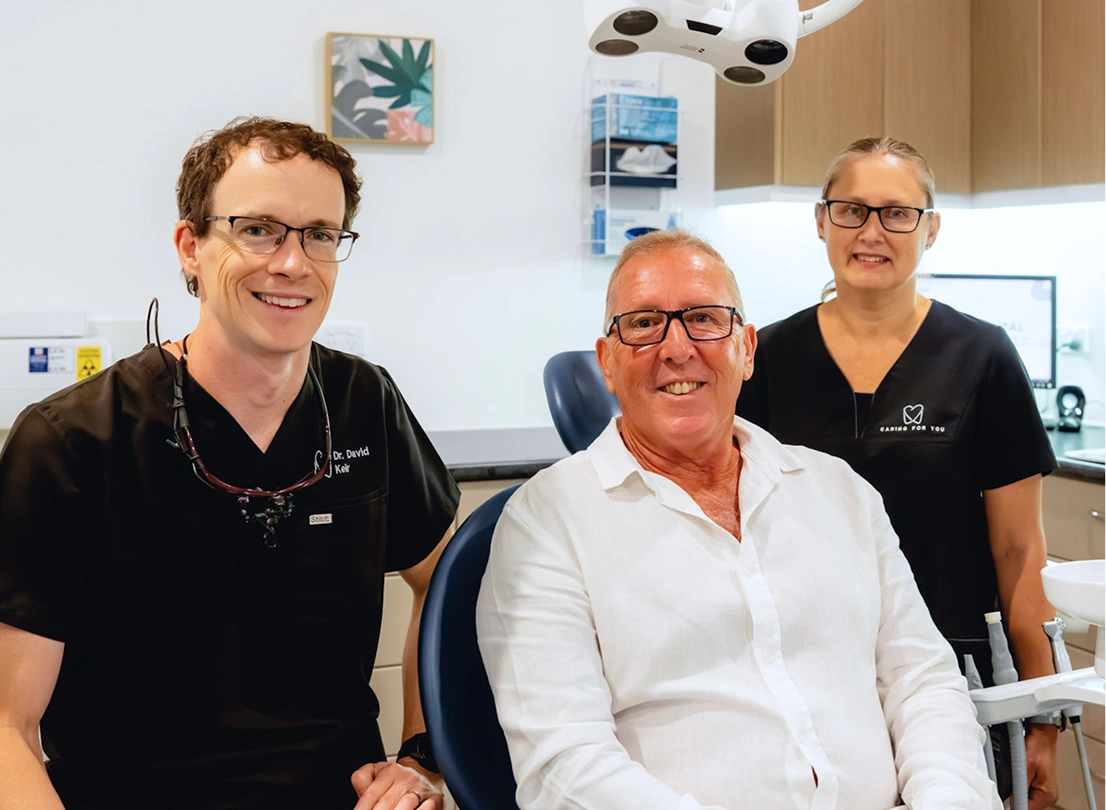
WE GET IT
Feeling nervous about the dentist is completely normal. Our team has years of experience helping anxious patients feel at ease. We’ll go at your pace, explain everything clearly, and never make you feel rushed or judged.
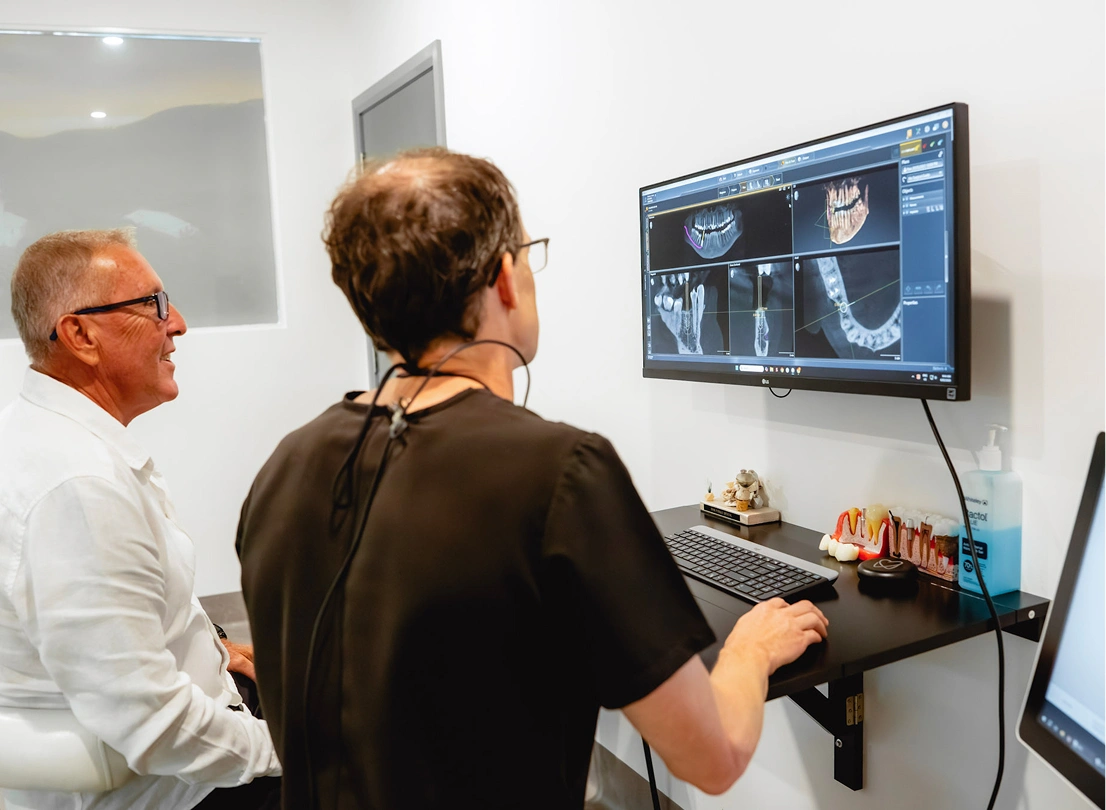
MODERN, COMPREHENSIVE CARE
We’ve invested in technology that makes your experience better. CEREC same-day crowns, 3D imaging, digital scanners, and smile design software mean more accurate treatment, less waiting around, and results you can see before we start.

WE STAND BEHIND OUR WORK
All major dental work comes with a three-year guarantee. It’s our way of showing confidence in the quality of care we provide and giving you genuine peace of mind about your treatment.

GETTING TO KNOW YOU
We take time to listen and understand what matters to you. You’re not just another appointment in the schedule. We’re here to build a relationship with you and support your oral health for the long term.

NO SURPRISE COSTS
We’ll always explain costs upfront, so you know exactly what to expect. Interest-free payment plans are available through SmileRight and Humm, making quality dental care more accessible without the financial stress.

A GENTLE APPROACH
Many of our patients tell us they’ve avoided dental visits for years. We understand that anxiety is real. Our team has extensive experience helping nervous patients feel comfortable, safe, and supported throughout their care.
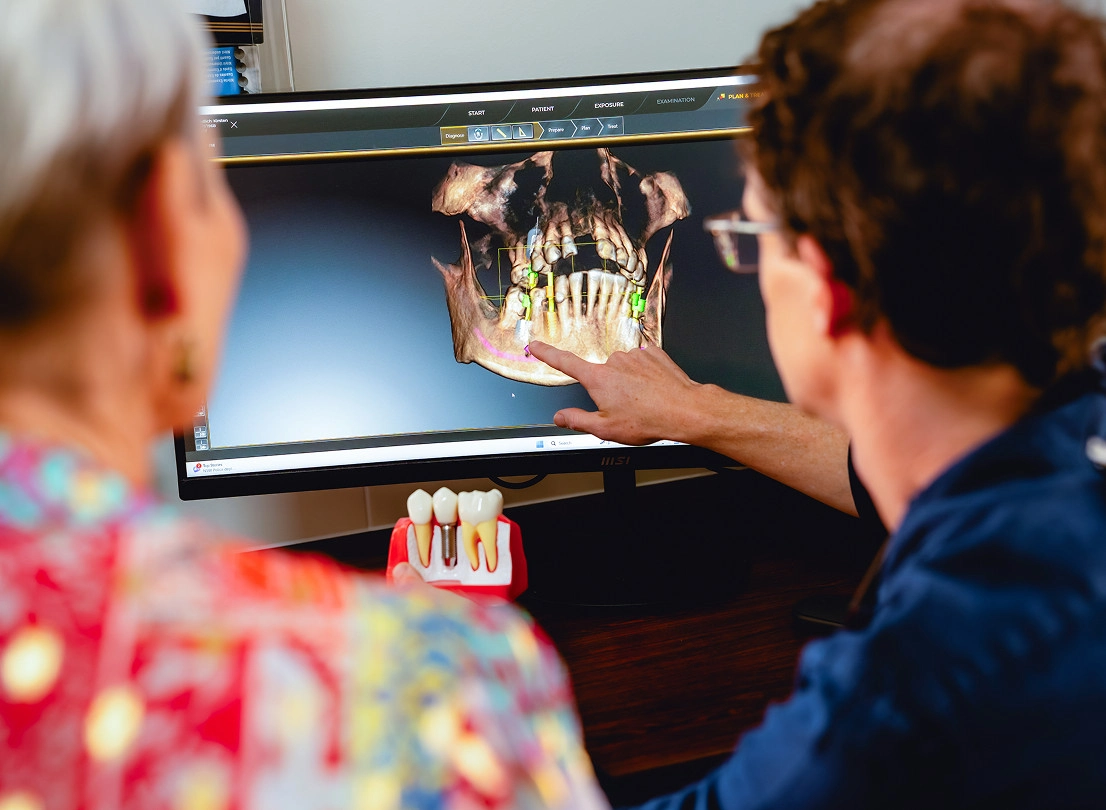
TECHNOLOGY THAT MAKES A DIFFERENCE
CEREC same-day crowns, 3D imaging, digital scanners, and smile design software improve precision and reduce treatment time. Modern equipment means more accurate results, fewer appointments, and a better experience for you.
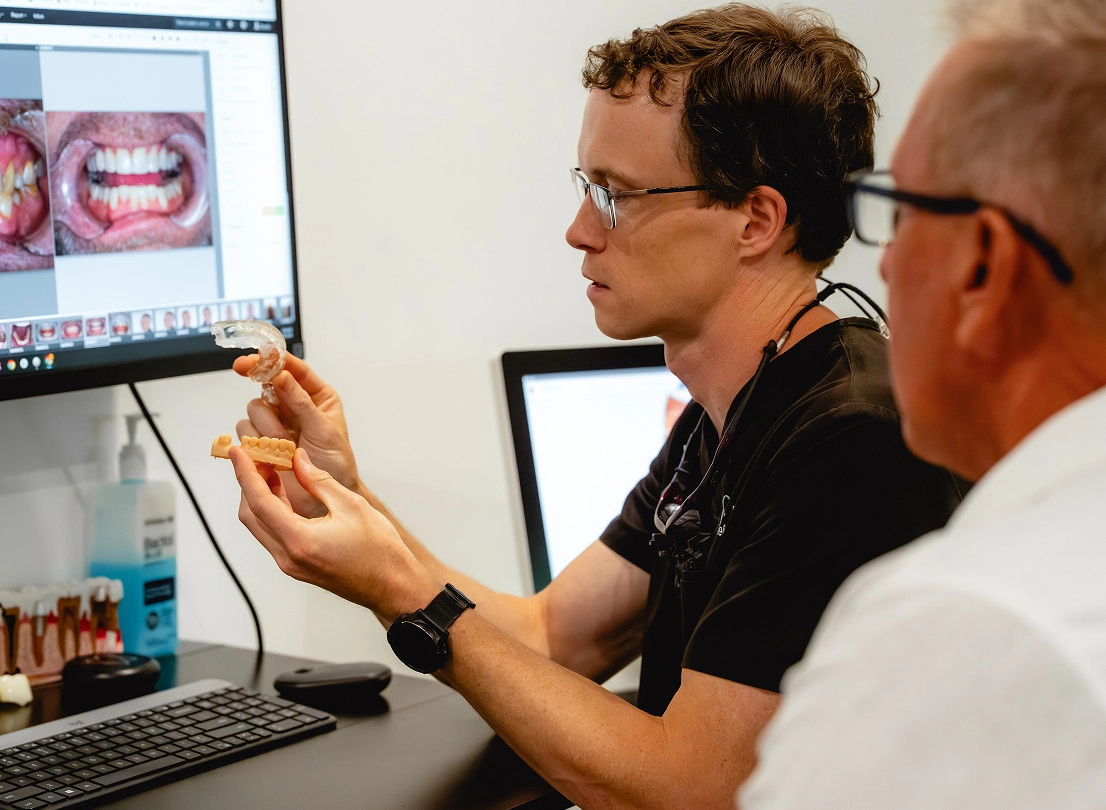
QUALITY YOU CAN RELY ON
All major dental work comes with a three-year guarantee. This commitment reflects the quality standards we hold ourselves to and demonstrates our dedication to providing care you can trust for years to come.
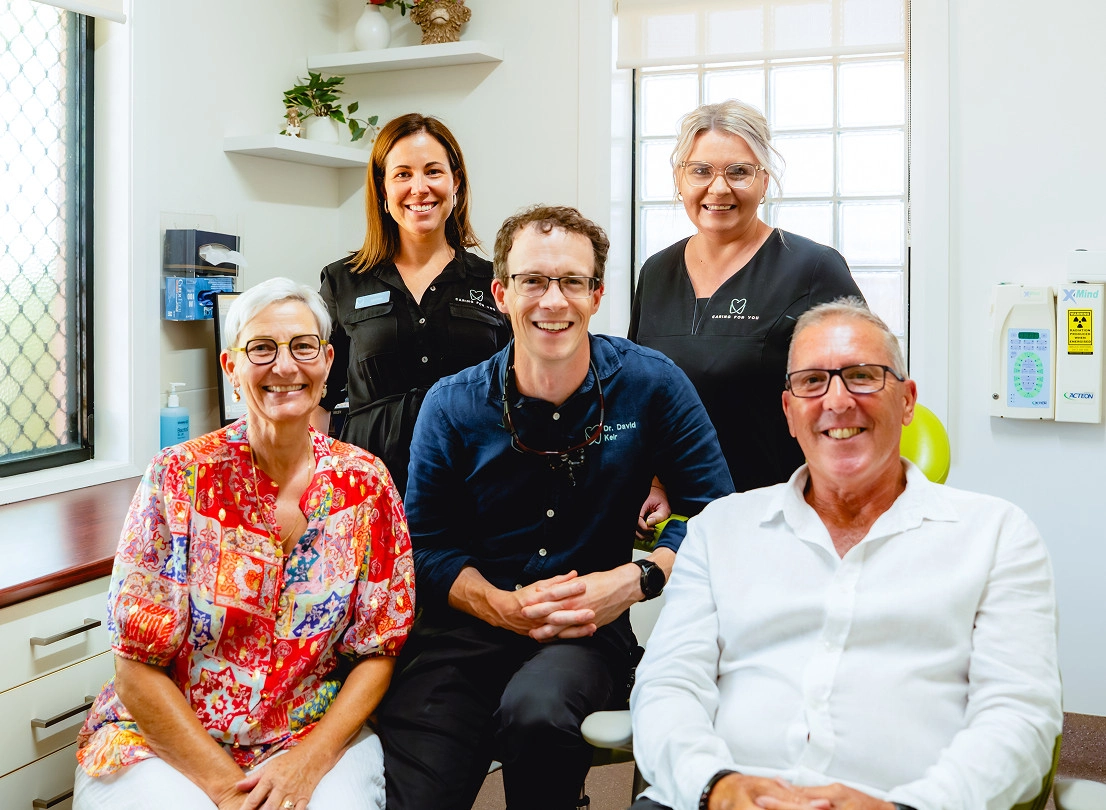
BUILDING LASTING RELATIONSHIPS
You’re not another appointment in the schedule. We invest time getting to know you, understanding your concerns, and creating treatment plans that align with your life. We’re here to support your oral health long term.

CLEAR COSTS FROM THE START
We explain all costs upfront so you know exactly what to expect. No hidden fees or surprise bills. Interest-free payment plans through SmileRight and Humm make quality dental care accessible and manageable.
related treatment

Medically Reviewed by Dr. David Keir
Last Reviewed: March 29, 2026
Medically Reviewed by Dr. David Keir
Last Reviewed: March 29, 2026
CONCERNED ABOUT YOUR WISDOM TEETH?
We’re here to help, regardless of how long it’s been troubling you.
Call us on 02 6423 2276 or book your appointment online.