By 120 Reviews

Bone Grafting
Building jawbone density to support dental implants
Bone Grafting Port Macquarie, Laurieton & Wauchope
Been told you don’t have enough bone for dental implants? It’s more common than you might think, especially if a tooth has been missing for a while.
Bone grafting can help rebuild the jawbone structure needed to support implants, so options that seemed out of reach might still be possible.
PREPARING YOUR JAW FOR IMPLANT PLACEMENT
Bone grafting is a surgical procedure that adds bone material to areas of your jaw where bone density is insufficient. This procedure is designed to help create a foundation for dental implants or other treatments.
The graft material can come from your own body, a donor source, or synthetic materials, and gradually integrates with your existing bone over time.
Patients from Wauchope, Port Macquarie, Laurieton & Surrounding Areas, and throughout the Hastings region trust our experienced team here at Wauchope Dental for bone grafting procedures that can help enable successful implant placement.
WHAT BONE GRAFTING CAN HELP WITH
INSUFFICIENT BONE FOR IMPLANTS
When you’ve lost teeth, the jawbone in that area can deteriorate over time. If there isn’t enough bone density or volume, an implant can’t be placed safely. Bone grafting is designed to help rebuild the bone to create a foundation for implant placement.
BONE LOSS FROM GUM DISEASE
Advanced gum disease can cause significant bone loss around teeth. Bone grafting may help rebuild some of the lost bone structure, which is designed to help stabilise remaining teeth and support gum disease treatment.
PREPARING FOR FUTURE TREATMENT
Sometimes, bone grafting is performed at the time of tooth extraction to help preserve bone density. This approach may make future implant placement easier by helping to maintain bone volume in the socket where the tooth was removed.
YOUR BONE GRAFTING PROCEDURE

ASSESSMENT AND PLANNING
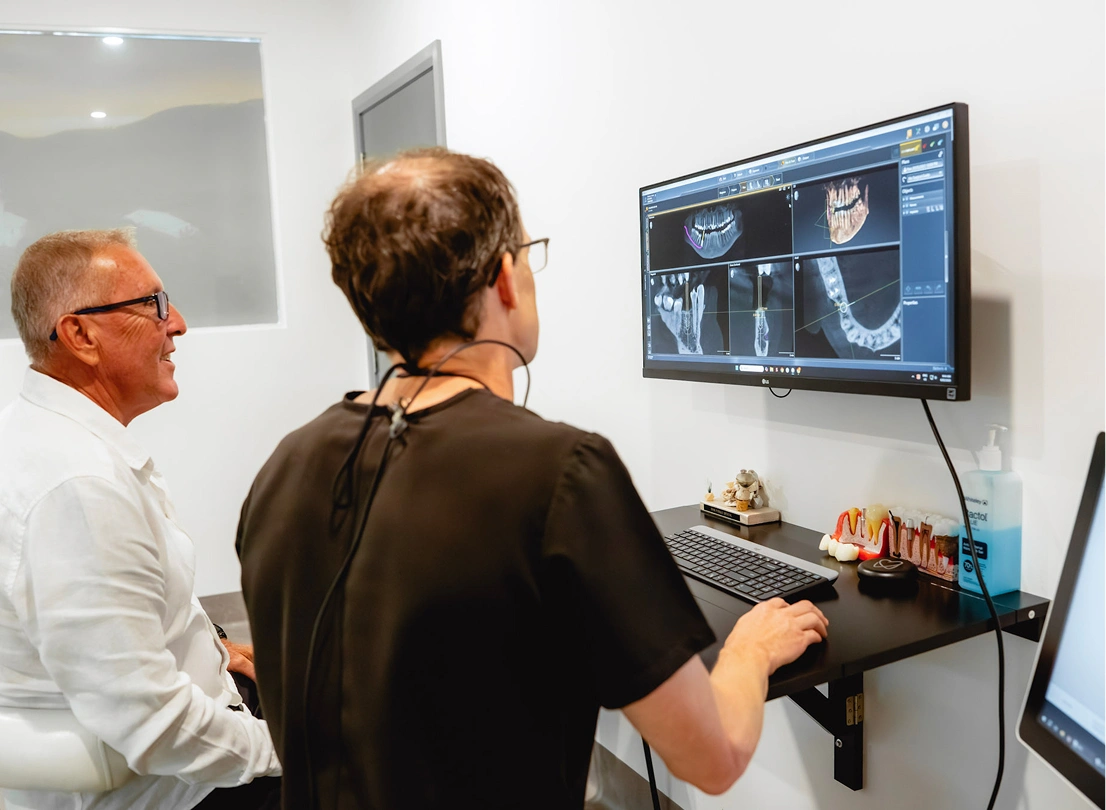
We take 3D scans to assess bone density and volume, then plan the graft size and placement carefully.

GRAFT MATERIAL PLACEMENT
Under local anaesthetic, we place the bone graft material into the area where additional bone is needed.

HEALING AND INTEGRATION
The graft material gradually integrates with your existing bone over several months, creating new bone tissue.

IMPLANT PLACEMENT WHEN READY
Once the graft has healed and integrated successfully, we can proceed with placing the dental implant.
Risk & Recovery
Possible Risks
- Bone grafting is surgical and carries risks like infection, bleeding, or pain
- The graft may not integrate successfully with your existing bone
- Smoking significantly increases the risk of graft failure
- Additional procedures may be needed if the initial graft doesn’t heal properly
Recovery
- Swelling, bruising, and discomfort for several days after the procedure
- Soft foods recommended for at least a week while the surgical site heals
- Healing and bone integration typically take 3 to 6 months before implant placement
- Good oral hygiene and following post-operative instructions can help support healing
TRANSPARENT PRICING, NO SURPRISES
We believe you should know what to expect before you book. Download your free copy today.
FAQ's: Bone Grafting
Straightforward answers to help you make informed decisions.
How long does bone grafting take to heal?
The graft material typically takes 3 to 6 months to integrate with your existing bone and create new bone tissue. The exact time depends on the size of the graft, the graft material used, and how your body responds to healing.
You’ll need to wait until the graft has healed completely before we can place an implant. This means bone grafting adds several months to your overall treatment timeline. We monitor healing through regular checkups and imaging to determine when you’re ready for the next stage.
Is bone grafting painful?
The procedure is performed under local anaesthetic, so you shouldn’t feel pain during surgery. You’ll feel pressure and movement, but not sharp pain. Some practices offer sedation if you’re particularly anxious about the procedure.
After the anaesthetic wears off, you’ll likely experience discomfort, swelling, and bruising for several days. Over-the-counter or prescribed pain relief usually manages this well. Most people say the discomfort settles within a week and is manageable.
What is the bone graft material made from?
Bone graft material can come from several sources. Autografts use bone from your own body, typically from another area of your jaw or hip. Allografts use processed bone from human donors. Xenografts use processed bone from animal sources, usually bovine. Synthetic grafts use manufactured materials.
Each type has advantages and considerations. We’ll discuss which option may suit your situation best. Many grafts today use synthetic or processed materials that work well and don’t require taking bone from another part of your body.
YOUR PAYMENT PLAN OPTIONS




why choose us
WE GET IT
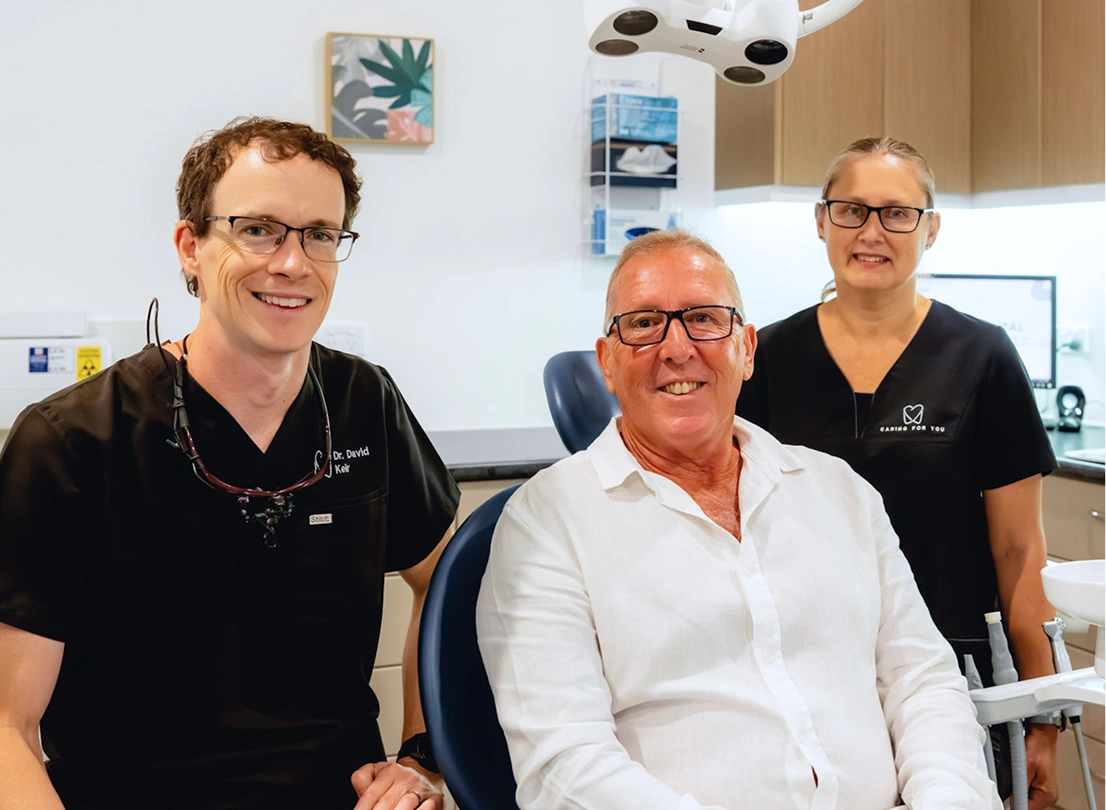
Feeling nervous about the dentist is completely normal. Our team has years of experience helping anxious patients feel at ease. We’ll go at your pace, explain everything clearly, and never make you feel rushed or judged.
MODERN, COMPREHENSIVE CARE
We’ve invested in technology that makes your experience better. CEREC same-day crowns, 3D imaging, digital scanners, and smile design software mean more accurate treatment, less waiting around, and results you can see before we start.
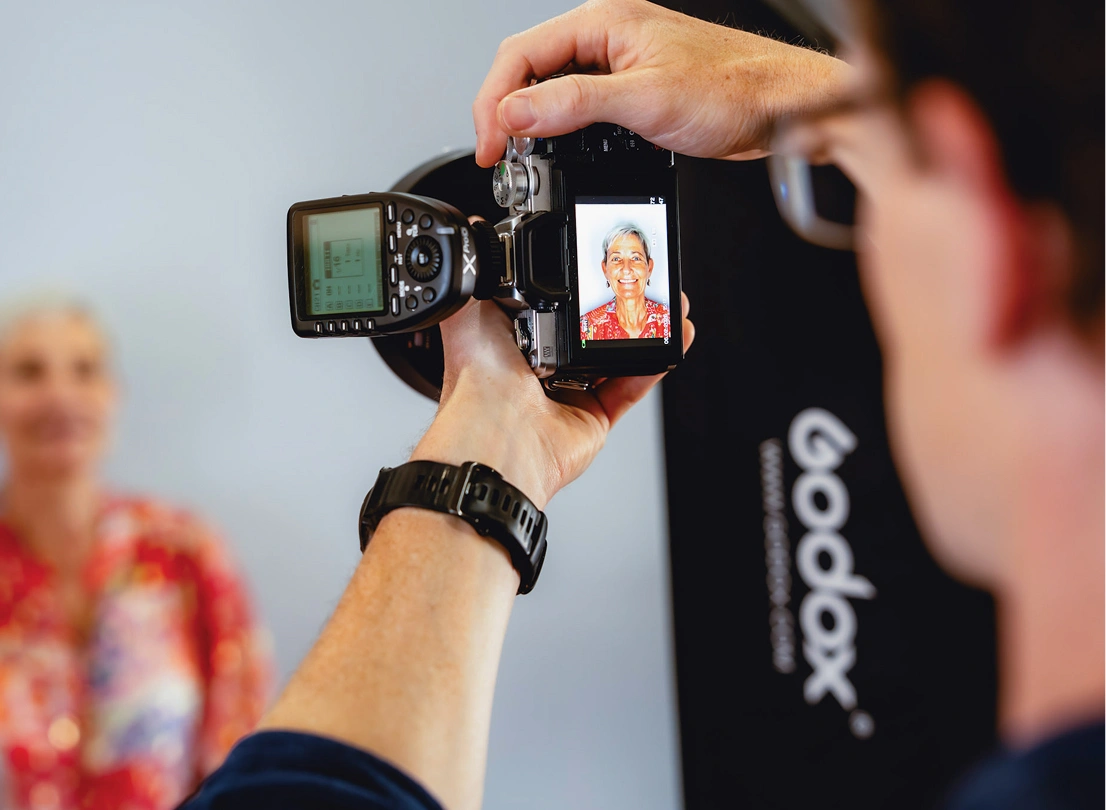
WE STAND BEHIND OUR WORK
All major dental work comes with a three-year guarantee. It’s our way of showing confidence in the quality of care we provide and giving you genuine peace of mind about your treatment.
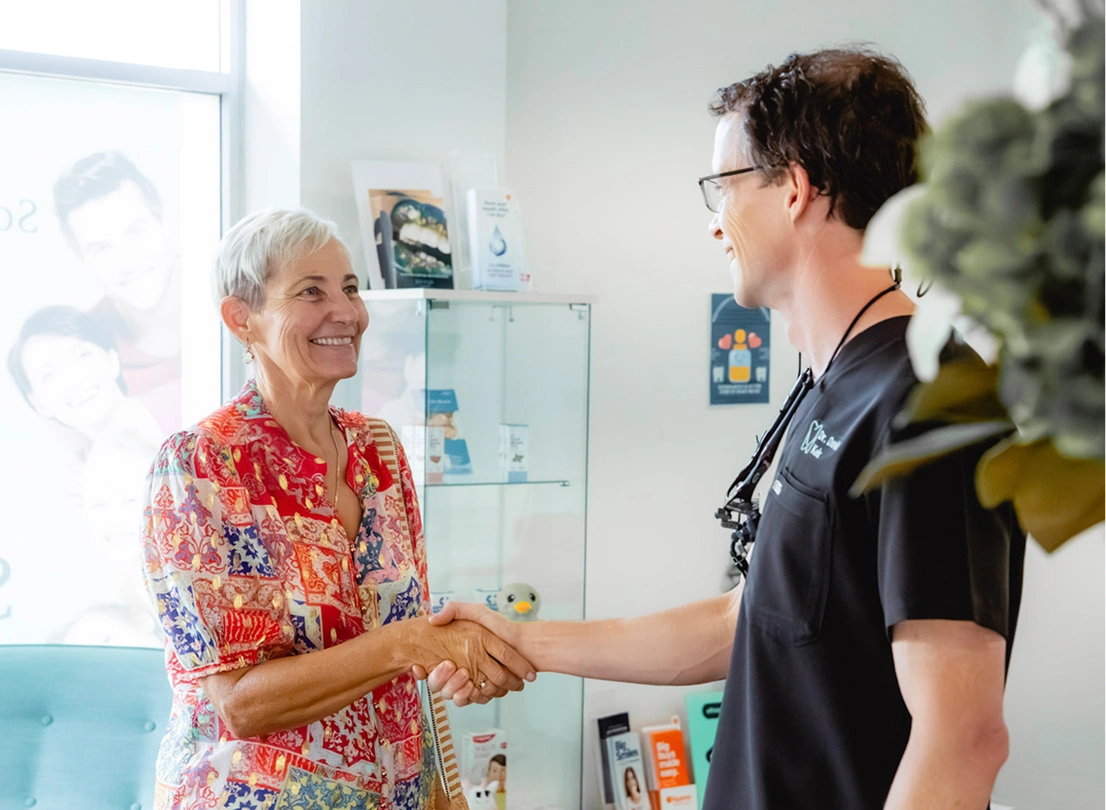
GETTING TO KNOW YOU
We take time to listen and understand what matters to you. You’re not just another appointment in the schedule. We’re here to build a relationship with you and support your oral health for the long term.
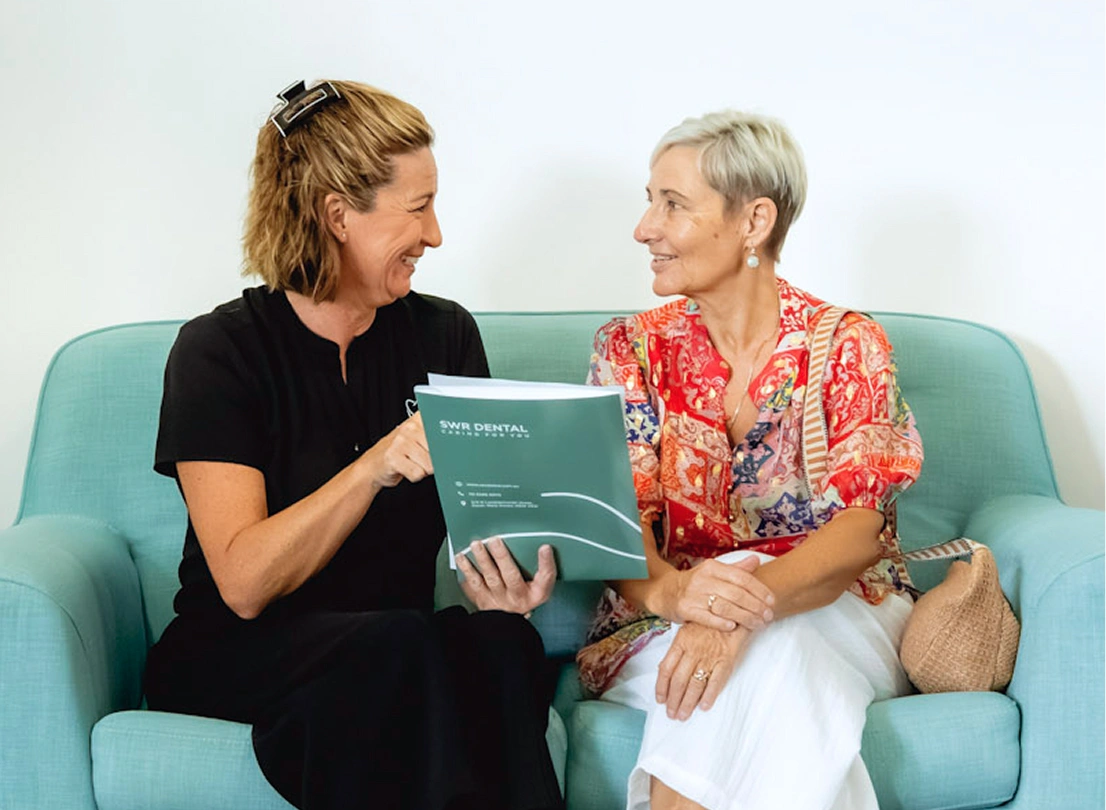
NO SURPRISE COSTS
We’ll always explain costs upfront, so you know exactly what to expect. Interest-free payment plans are available through SmileRight and Humm, making quality dental care more accessible without the financial stress.
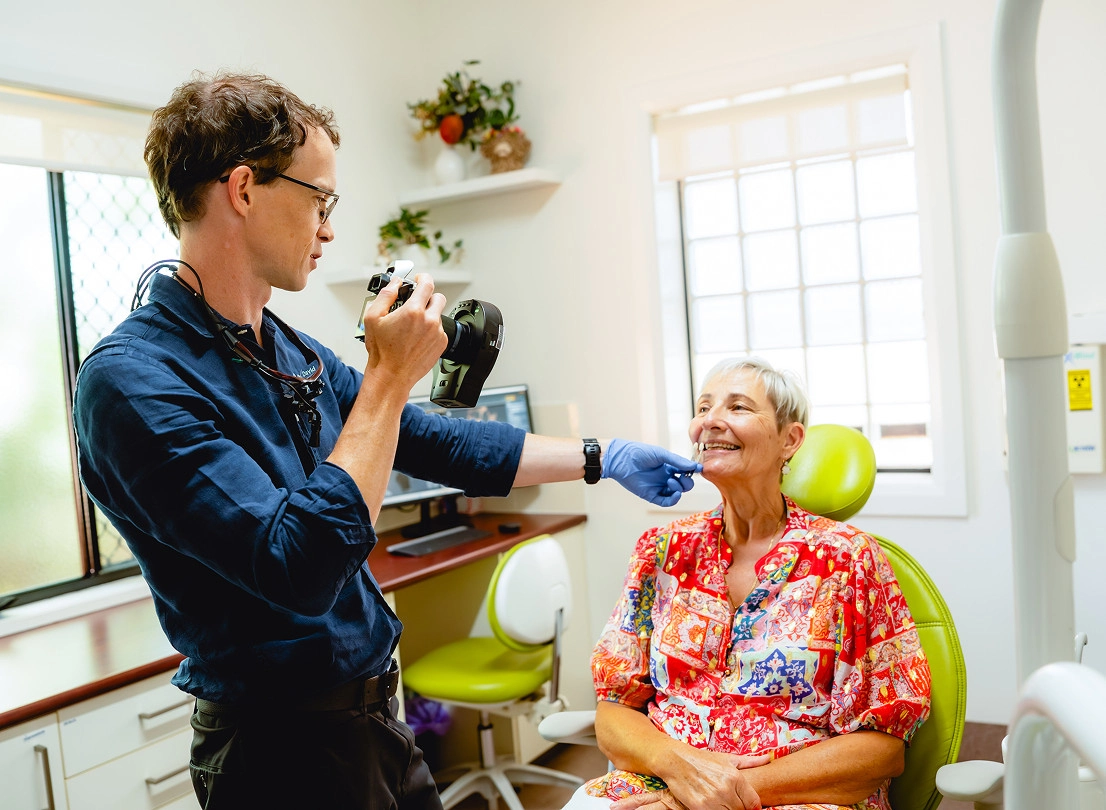
A GENTLE APPROACH
Many of our patients tell us they’ve avoided dental visits for years. We understand that anxiety is real. Our team has extensive experience helping nervous patients feel comfortable, safe, and supported throughout their care.
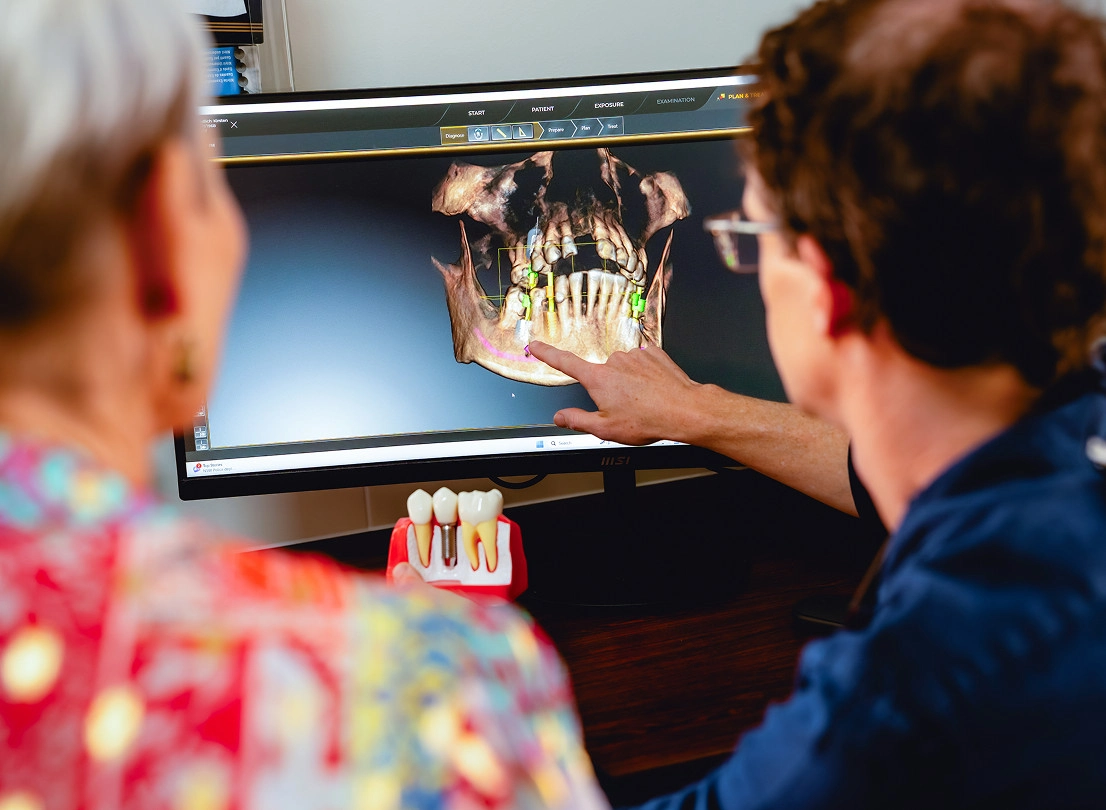
TECHNOLOGY THAT MAKES A DIFFERENCE
CEREC same-day crowns, 3D imaging, digital scanners, and smile design software improve precision and reduce treatment time. Modern equipment means more accurate results, fewer appointments, and a better experience for you.
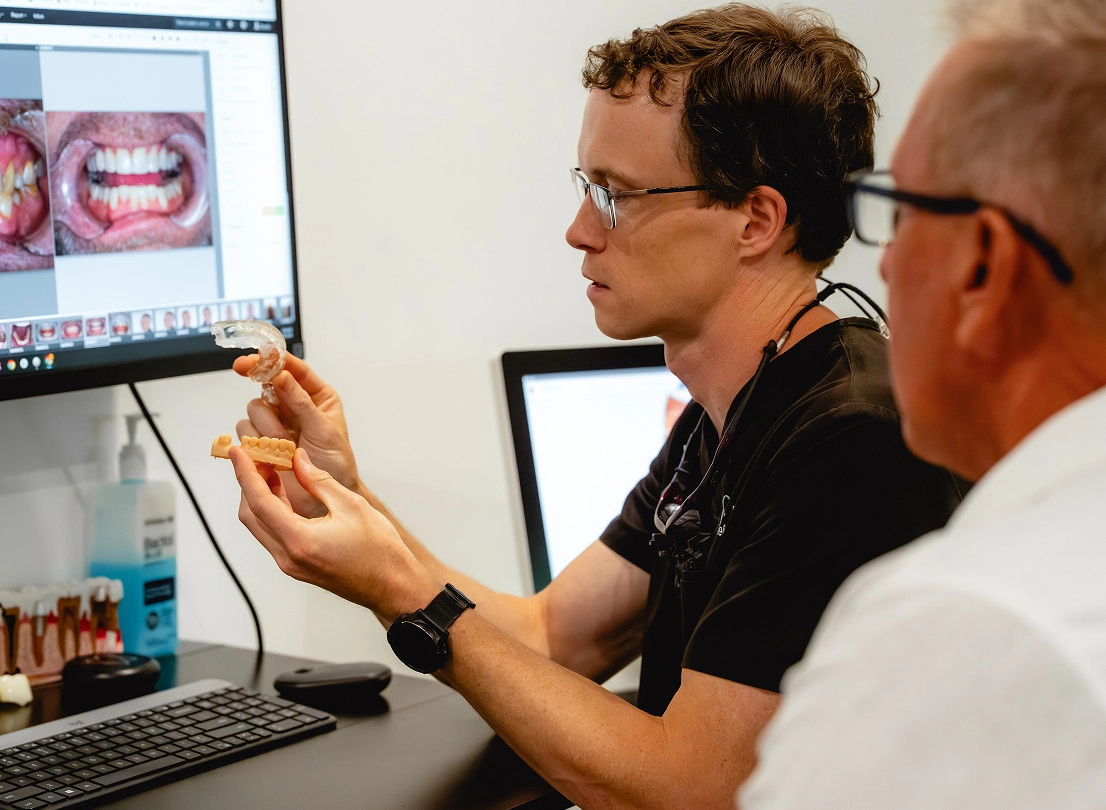
QUALITY YOU CAN RELY ON
All major dental work comes with a three-year guarantee. This commitment reflects the quality standards we hold ourselves to and demonstrates our dedication to providing care you can trust for years to come.
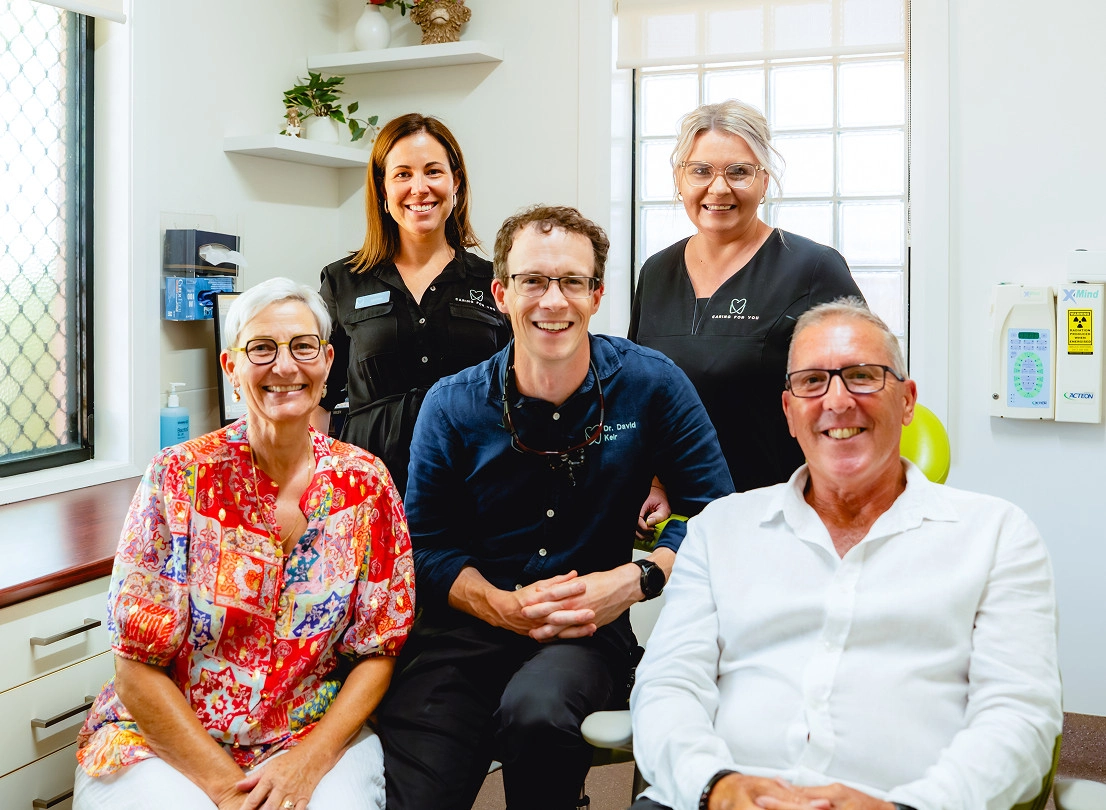
BUILDING LASTING RELATIONSHIPS
You’re not another appointment in the schedule. We invest time getting to know you, understanding your concerns, and creating treatment plans that align with your life. We’re here to support your oral health long term.
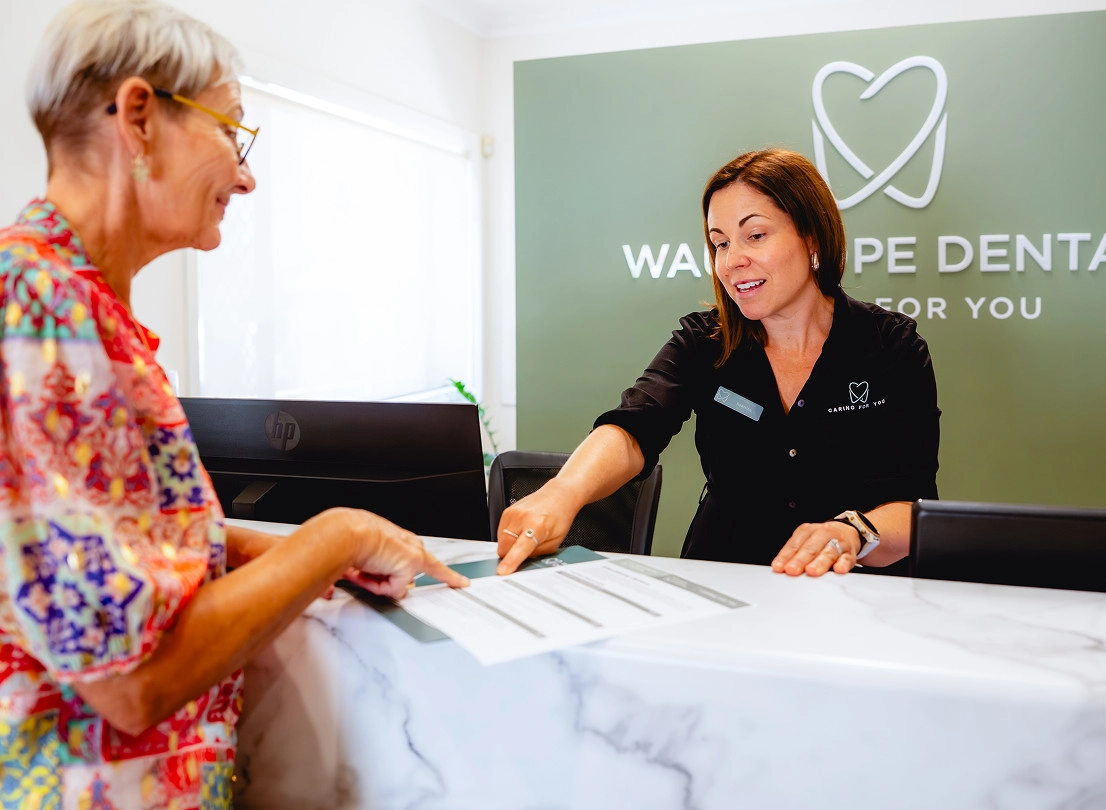
CLEAR COSTS FROM THE START
We explain all costs upfront so you know exactly what to expect. No hidden fees or surprise bills. Interest-free payment plans through SmileRight and Humm make quality dental care accessible and manageable.
related treatment
Medically Reviewed by Dr. David Keir
Last Reviewed: March 29, 2026
Medically Reviewed by Dr. David Keir
Last Reviewed: March 29, 2026
NEED BONE GRAFTING FOR IMPLANTS?
Let’s discuss whether bone grafting may be necessary for your situation.
Call us on 02 6423 2276 or book your free implant consultation online today.