By 120 Reviews

Dental Bonding
Repairing and reshaping teeth with composite resin
Dental Bonding Port Macquarie, Laurieton & Surrounding Areas
Got a small chip that catches your eye every time you look in the mirror? Or maybe there’s a little gap or uneven edge you’d like smoothed out.
Dental bonding is a simple way to address minor imperfections without extensive treatment, often in just one appointment.

ADDRESSING MINOR CHIPS AND IMPERFECTIONS
Dental bonding uses tooth-coloured composite resin to help address chips, close small gaps, or reshape teeth. It’s a conservative treatment that usually doesn’t require removing much tooth structure.
Bonding can help address tooth appearance in a single appointment, though longevity and results depend on individual circumstances, location, and maintenance habits.
Patients from Wauchope, Port Macquarie, Laurieton & Surrounding Areas, and throughout the Hastings region appreciate the quick, minimally invasive nature of dental bonding here at Wauchope Dental.
WHAT DENTAL BONDING CAN HELP WITH
CHIPS AND MINOR DAMAGE
Small chips from accidents or wear can affect how teeth look and feel. Bonding rebuilds the damaged area with composite resin matched to your tooth colour, aiming to restore shape and help protect the tooth from further damage over time.
GAPS BETWEEN TEETH
Small gaps or spaces between front teeth can be addressed with bonding material. This aims to create a more uniform appearance without braces or veneers, though bonding works best for minor spacing concerns rather than significant gaps.
DISCOLOURED OR MISSHAPEN TEETH
Teeth that are slightly discoloured, too short, or irregularly shaped can be reshaped with bonding. The composite material is layered and sculpted to help refine the tooth’s appearance while keeping natural tooth structure largely intact.
YOUR BONDING APPOINTMENT

PREPARATION AND SHADE SELECTION
We select a composite shade that matches your natural teeth and prepare the tooth surface appropriately.

APPLYING THE BONDING MATERIAL
We apply layers of tooth-coloured composite resin carefully and shape it to complement your tooth.

HARDENING WITH SPECIAL LIGHT
We use a special curing light to harden each layer of composite material as we build.

FINAL SHAPING AND POLISHING
We shape and polish the bonding smooth so it blends with your surrounding teeth.
Risk & Recovery
Possible Risks
- Bonding material can chip, crack, or stain more easily than porcelain
- Composite may not match tooth colour perfectly over time
- Bonding typically doesn’t last as long as veneers or crowns
- Some people may experience minor sensitivity after treatment
Recovery
- No recovery time needed, you can return to normal activities immediately
- Avoid very hard foods and habits like nail-biting or ice-chewing
- Bonding may stain from coffee, tea, and red wine over time
- Good oral hygiene can help bonding last as long as possible
TRANSPARENT PRICING, NO SURPRISES
We believe you should know what to expect before you book. Download your free copy today.
FAQ's: Dental Bonding
Straightforward answers to help you make informed decisions.
How long does dental bonding typically last?
Dental bonding typically lasts between 3 to 7 years, depending on location in your mouth, pressure it receives, and how well you maintain it. Bonding on front teeth that handle less force usually lasts longer than bonding on back teeth with heavier chewing forces.
Bonding material can chip or stain over time, especially if you bite hard foods, chew ice, or drink substantial amounts of coffee and red wine. We can repair or replace bonding as needed, and regular checkups help us identify any issues early.
Is dental bonding better than veneers?
Bonding and veneers both have advantages depending on your situation and goals. Bonding is more affordable, can usually be completed in one visit, and requires little to no tooth preparation. However, bonding doesn’t last as long and stains more easily than porcelain veneers.
Veneers are more durable, resist staining better, and can address more significant cosmetic concerns. They’re also more expensive and require more tooth preparation. We’ll discuss which option may suit your goals, budget, and tooth condition during consultation.
Does dental bonding require anaesthetic?
Most bonding procedures don’t require anaesthetic because we’re not removing much, if any, tooth structure. The process is generally comfortable. We simply roughen the tooth surface slightly so the bonding material adheres properly to your tooth.
If we need to remove decay or prepare a larger area before bonding, we might use local anaesthetic to keep you comfortable throughout the procedure. We’ll let you know beforehand if anaesthetic will be needed for your particular situation.
YOUR PAYMENT PLAN OPTIONS



*Subject to approval, eligibility criteria, terms and conditions. Final repayment price may vary based on individual treatment plan and duration.
why choose us
WE GET IT
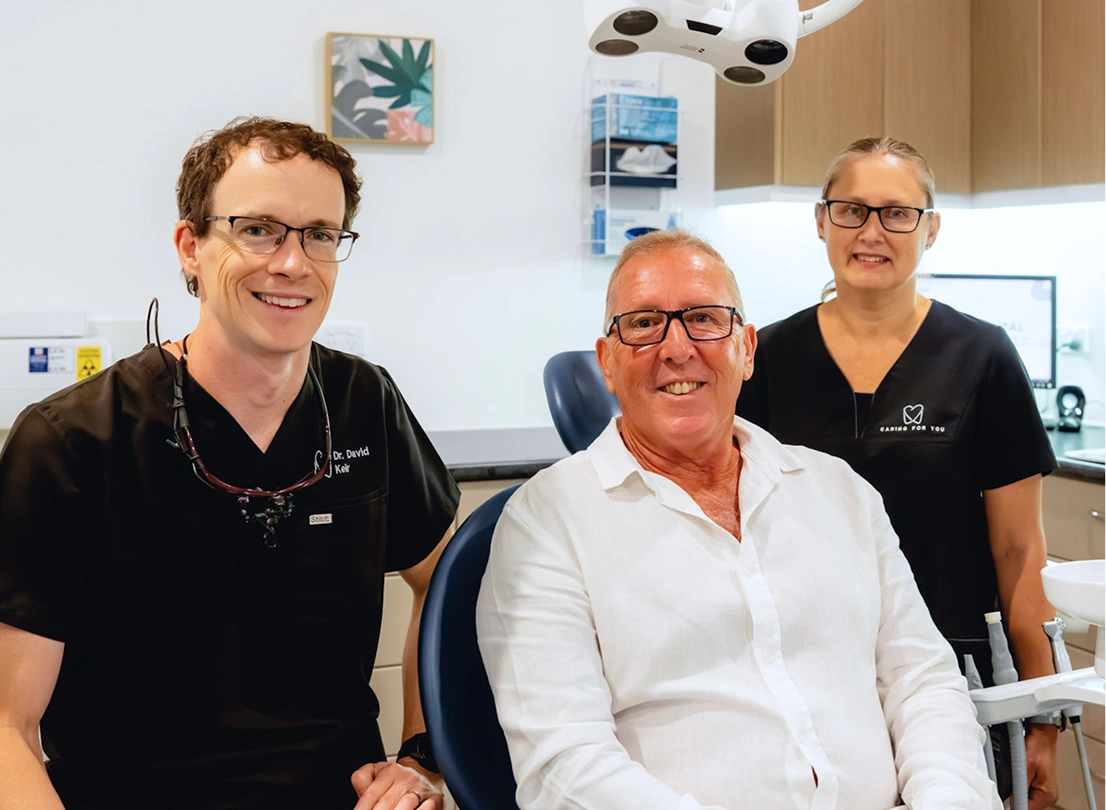
Feeling nervous about the dentist is completely normal. Our team has years of experience helping anxious patients feel at ease. We’ll go at your pace, explain everything clearly, and never make you feel rushed or judged.
MODERN, COMPREHENSIVE CARE
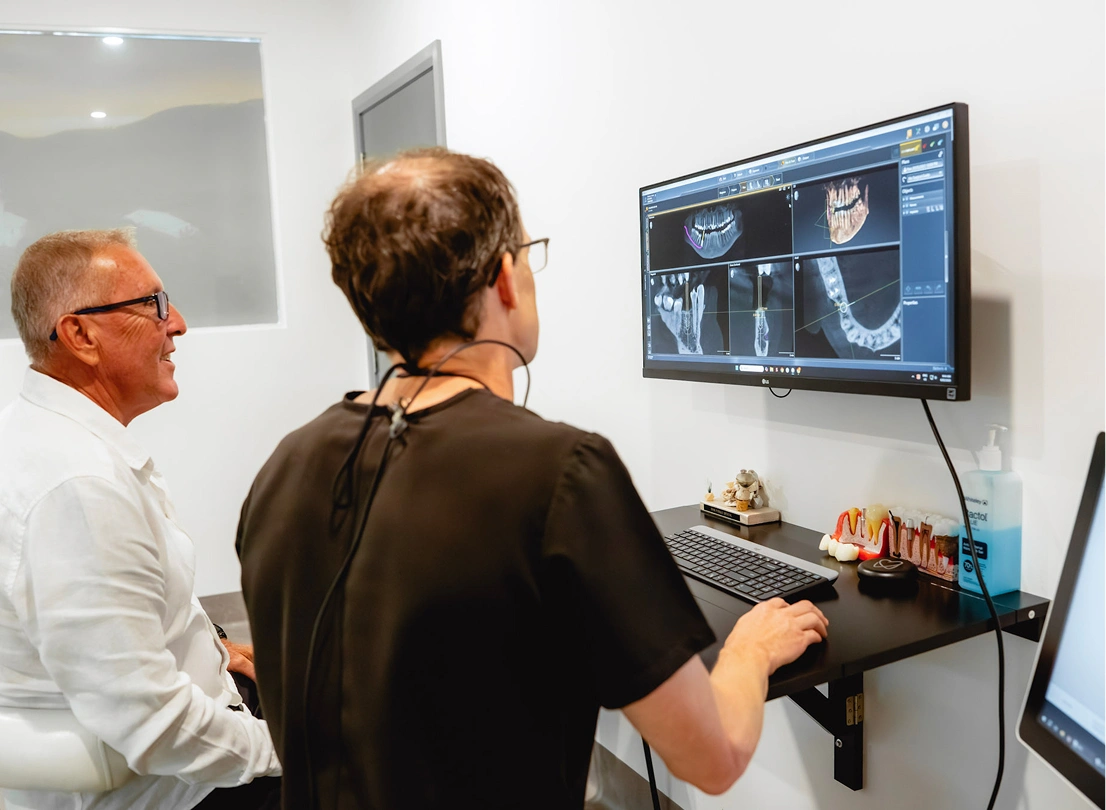
We’ve invested in technology that makes your experience better. CEREC same-day crowns, 3D imaging, digital scanners, and smile design software mean more accurate treatment, less waiting around, and results you can see before we start.

WE STAND BEHIND OUR WORK
All major dental work comes with a three-year guarantee. It’s our way of showing confidence in the quality of care we provide and giving you genuine peace of mind about your treatment.
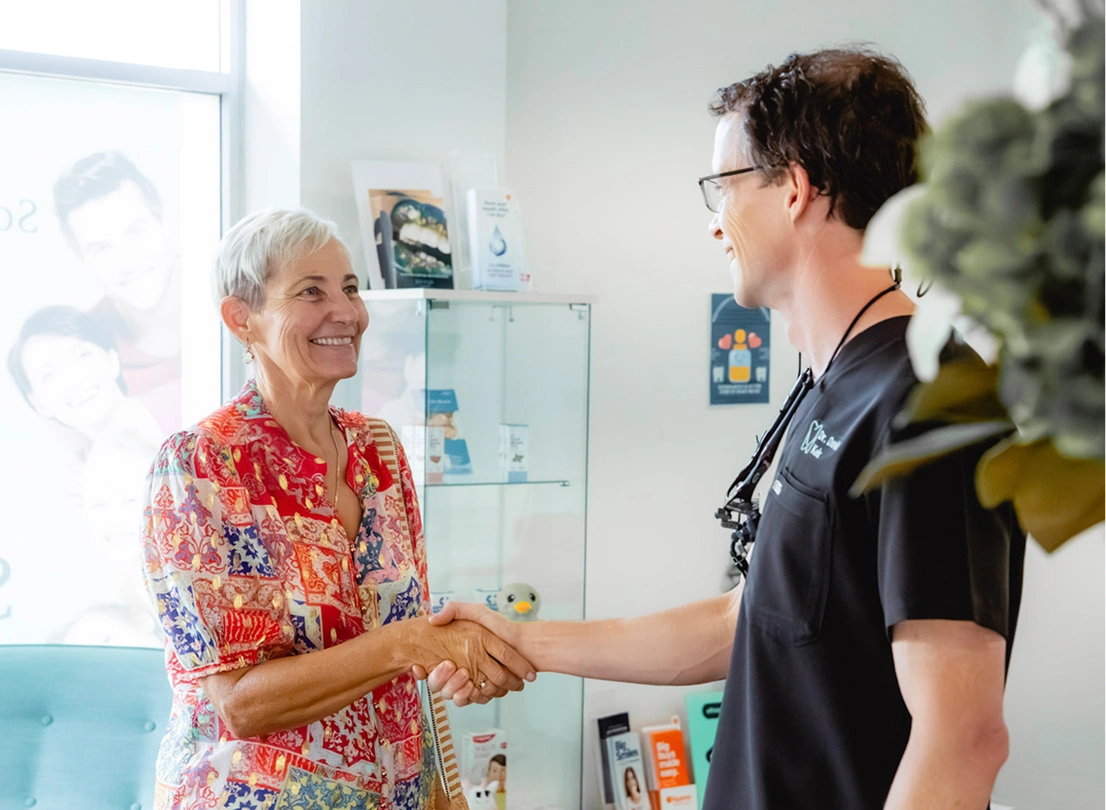
GETTING TO KNOW YOU
We take time to listen and understand what matters to you. You’re not just another appointment in the schedule. We’re here to build a relationship with you and support your oral health for the long term.
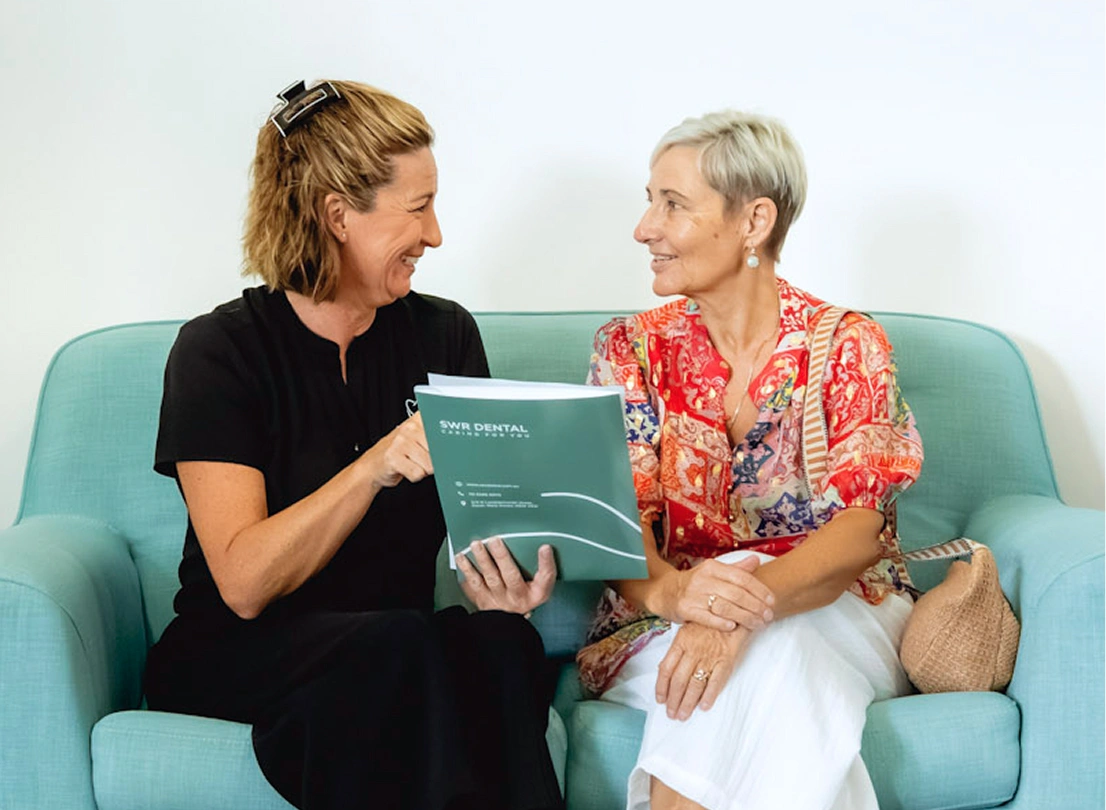
NO SURPRISE COSTS
We’ll always explain costs upfront, so you know exactly what to expect. Interest-free payment plans are available through SmileRight and Humm, making quality dental care more accessible without the financial stress.
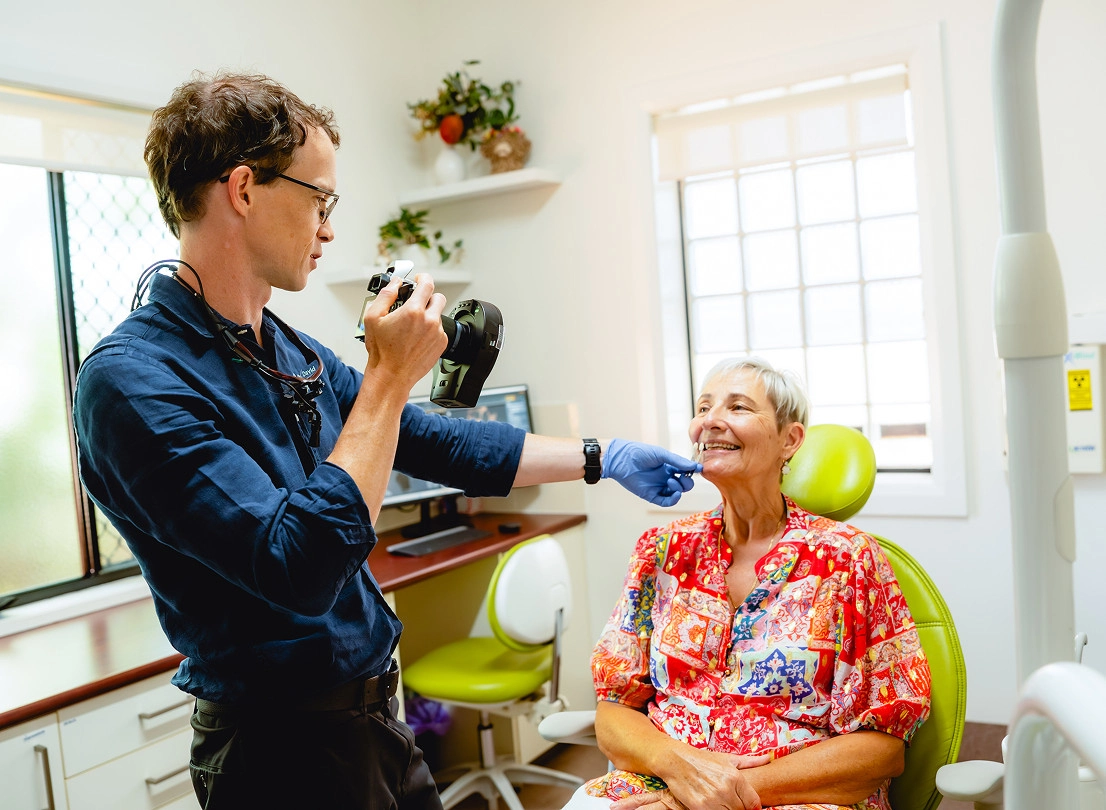
A GENTLE APPROACH
Many of our patients tell us they’ve avoided dental visits for years. We understand that anxiety is real. Our team has extensive experience helping nervous patients feel comfortable, safe, and supported throughout their care.
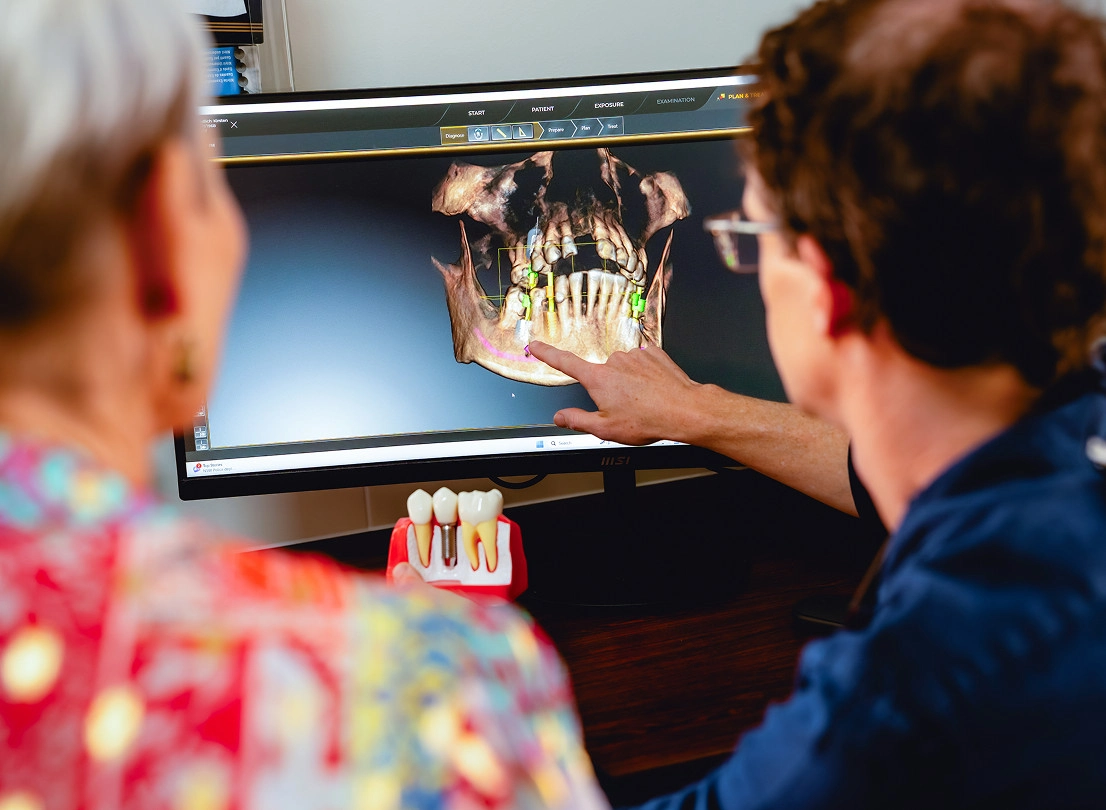
TECHNOLOGY THAT MAKES A DIFFERENCE
CEREC same-day crowns, 3D imaging, digital scanners, and smile design software improve precision and reduce treatment time. Modern equipment means more accurate results, fewer appointments, and a better experience for you.
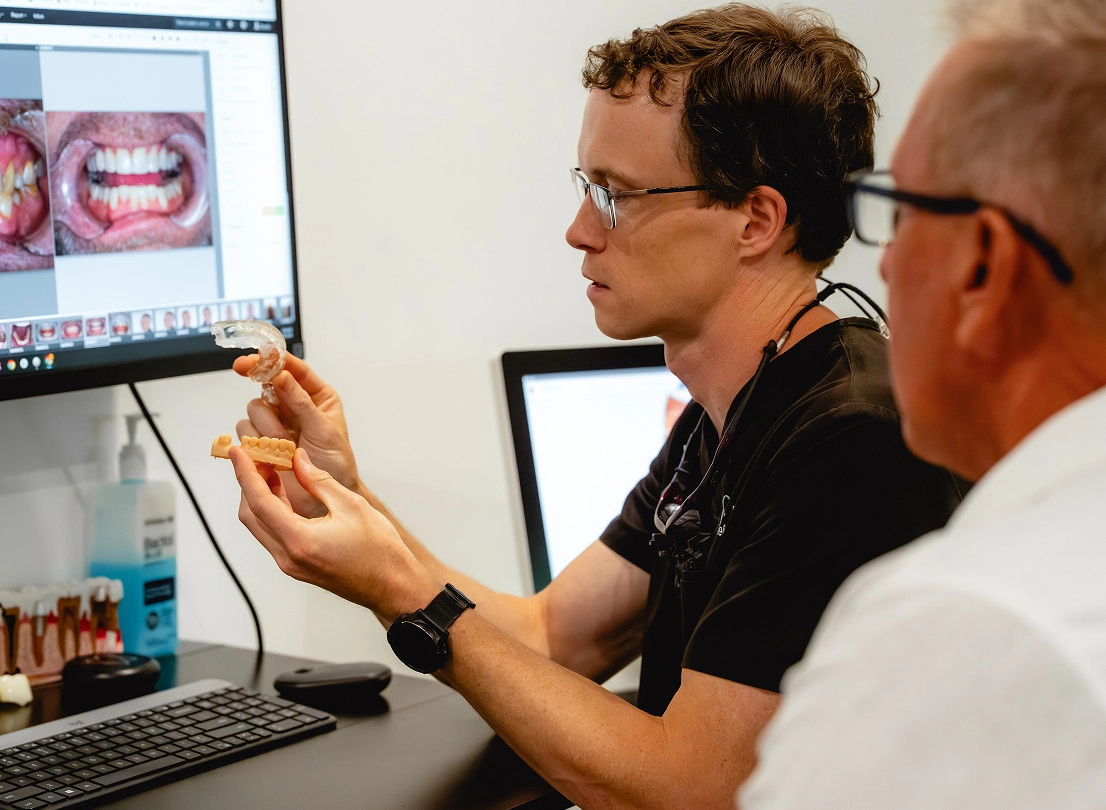
QUALITY YOU CAN RELY ON
All major dental work comes with a three-year guarantee. This commitment reflects the quality standards we hold ourselves to and demonstrates our dedication to providing care you can trust for years to come.
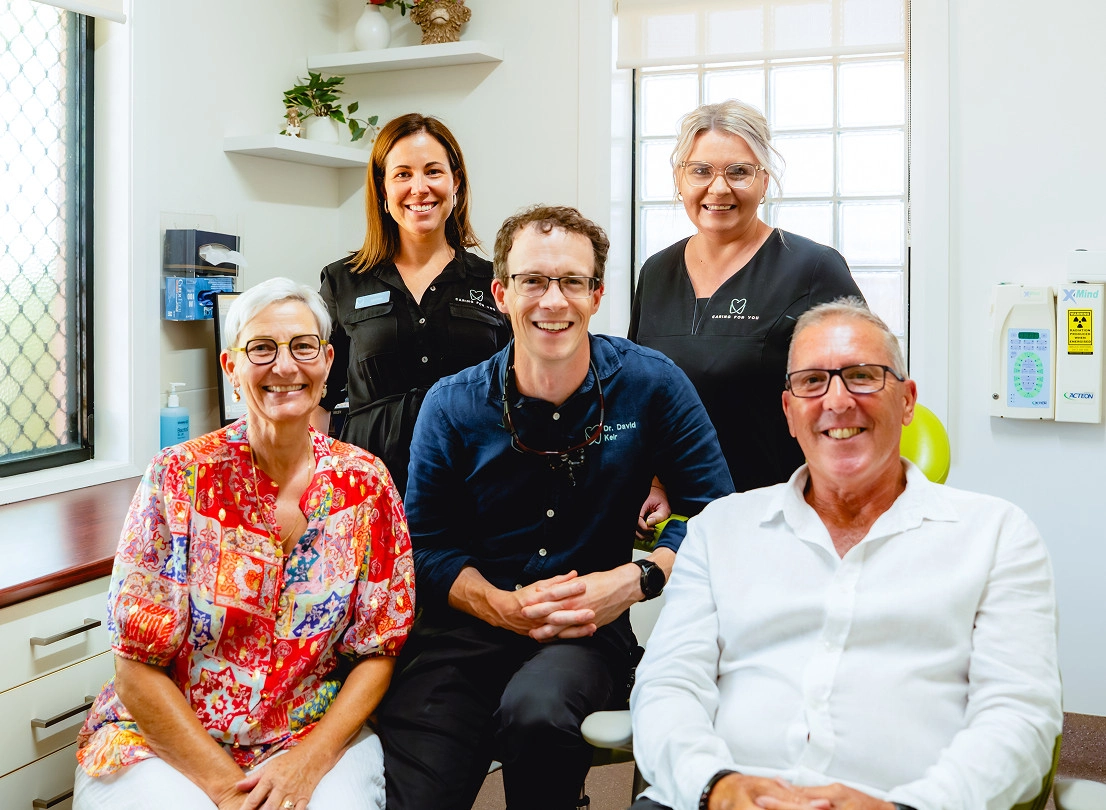
BUILDING LASTING RELATIONSHIPS
You’re not another appointment in the schedule. We invest time getting to know you, understanding your concerns, and creating treatment plans that align with your life. We’re here to support your oral health long term.
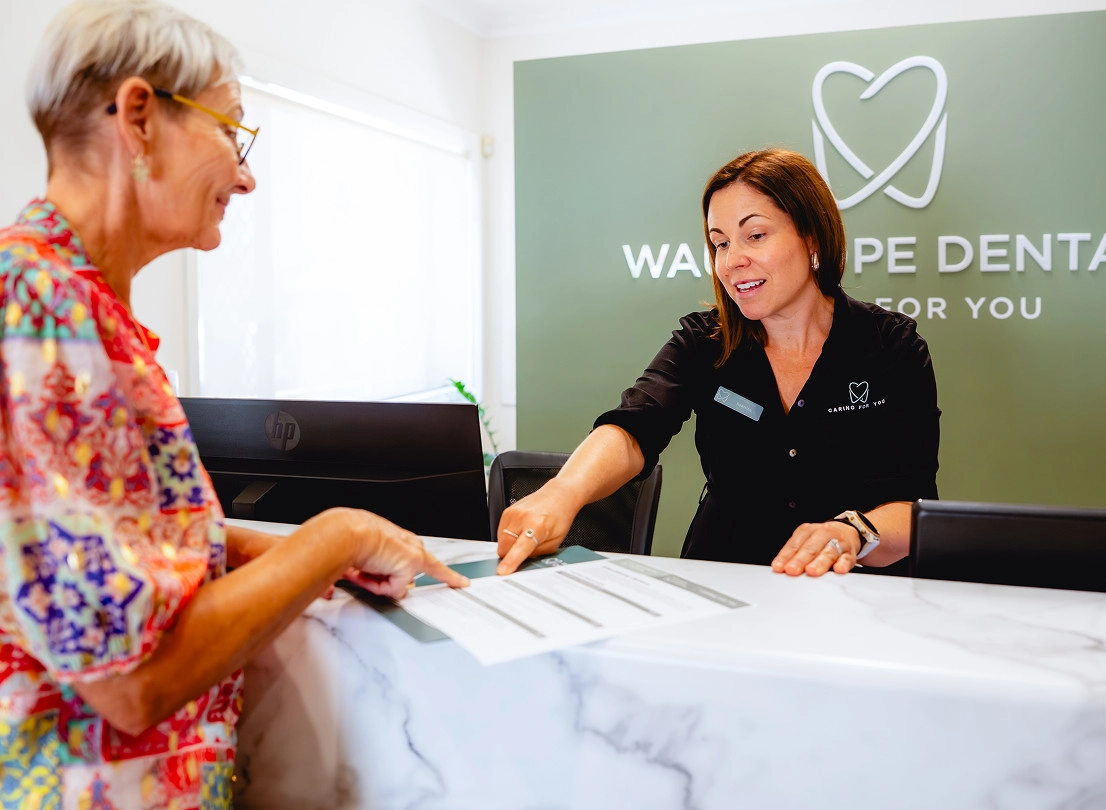
CLEAR COSTS FROM THE START
We explain all costs upfront so you know exactly what to expect. No hidden fees or surprise bills. Interest-free payment plans through SmileRight and Humm make quality dental care accessible and manageable.
related treatment
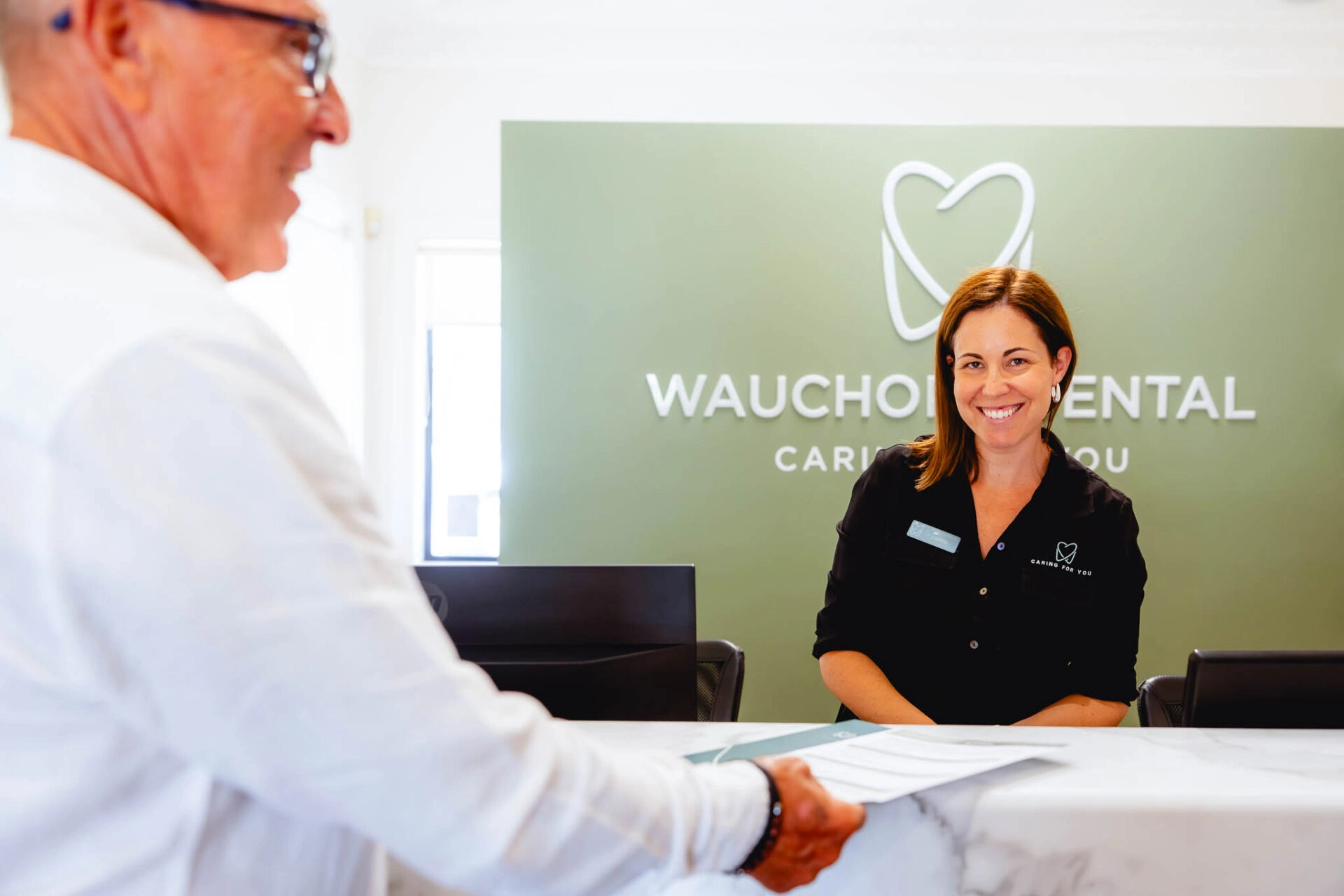
Medically Reviewed by Dr. David Keir
Last Reviewed: March 29, 2026
Medically Reviewed by Dr. David Keir
Last Reviewed: March 29, 2026
INTERESTED IN DENTAL BONDING?
Let’s discuss whether bonding may suit your tooth and specific situation.
Call us on 02 6423 2276 or book your consultation appointment online at your convenience.