By 120 Reviews

Tooth Extraction
Safe removal when a tooth cannot be saved
Tooth Extraction Port Macquarie, Laurieton & Wauchope
Been told a tooth can’t be saved? It’s not what anyone wants to hear, but sometimes removing a tooth is the best way to stop ongoing pain and protect the rest of your mouth.
We’ll make sure you understand why extraction is being recommended and keep you comfortable throughout the process.
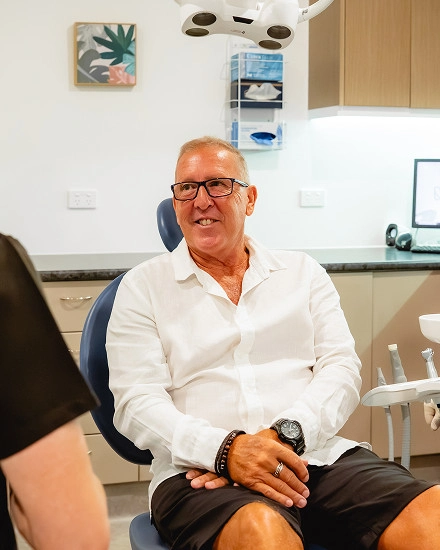
Disclaimer: This Image is for illustrative purposes only. Individual results and patient outcomes may vary.
WHEN REMOVAL IS NECESSARY
Occasionally, a tooth sustains damage or decay too extensive for restoration with fillings or crowns. Extraction removes the tooth to help address pain, aims to prevent infection spread, and can help support your overall oral health.
We aim to make the process as comfortable as possible and will explain each step clearly throughout your appointment.
Patients from Wauchope, Port Macquarie, Laurieton & Surrounding Areas, and throughout the Hastings region appreciate our gentle approach and clear communication here at Wauchope Dental throughout the extraction process.
WHAT TOOTH EXTRACTION CAN HELP WITH
EXTENSIVE DECAY OR STRUCTURAL DAMAGE
When a tooth suffers severe decay or fracture beyond repair, extraction can help address the pain and aims to prevent infection from affecting adjacent teeth or extending into your jawbone. Removing the compromised tooth aims to support your overall health.
UNRESPONSIVE INFECTION
Some tooth infections don’t improve with root canal treatment or antibiotic therapy. In these situations, extraction removes the infection source and aims to prevent it from contributing to more significant health concerns elsewhere in your body.
SPACE MANAGEMENT OR TREATMENT PREPARATION
Sometimes teeth require removal to create space for orthodontic treatment or because your jaw doesn’t have adequate room. Extraction can help provide the space necessary for proper alignment or other planned dental work.
YOUR TOOTH EXTRACTION APPOINTMENT

COMPLETE EVALUATION AND PLANNING
We’ll examine the tooth and surrounding structures, often using radiographs to understand the root configuration.

LOCAL ANAESTHESIA
We’ll numb the area thoroughly so you won’t experience pain during the extraction, only pressure sensations.

CAREFUL REMOVAL
We’ll methodically loosen and remove the tooth, working to keep the procedure as efficient and comfortable as possible.

POST-PROCEDURE INSTRUCTIONS
We’ll provide clear guidance on managing healing, including dietary recommendations and care for the extraction site.
Risk & Recovery
Possible Risks
- Dry socket can occur if the blood clot becomes dislodged, resulting in pain and slower healing
- Infection may develop at the site despite appropriate care and antibiotics
- Temporary numbness may occur if a nerve is affected, rarely becoming permanent
- Adjacent teeth or existing dental work may sustain damage during the procedure
Recovery
- Bleeding typically stops within several hours, bite on gauze as instructed to encourage clotting
- Swelling usually peaks around days two or three, then progressively improves over the next week
- Maintain soft food diet for at least three to five days during initial healing
- Avoid smoking, alcohol, straws, and vigorous rinsing for at least three to five days
TRANSPARENT PRICING, NO SURPRISES
We believe you should know what to expect before you book. Download your free copy today.
FAQ's: Tooth Extraction
Honest answers to help you feel informed and comfortable.
Should I expect pain during the extraction?
You shouldn’t experience pain during the extraction because of local anaesthetic. You’ll notice pressure and movement as we loosen and remove the tooth, but not pain. After the anaesthetic effect diminishes, you’ll have some discomfort manageable with pain medication.
Most patients describe the discomfort as comparable to having had a filling placed. If you’re feeling anxious about the procedure, please let us know. We can discuss approaches to help you feel more comfortable and relaxed.
What’s the typical healing timeframe?
The extraction site generally takes one to two weeks to heal sufficiently for you to resume normal eating. Complete healing of bone and soft tissue requires several weeks to a few months, though you won’t be aware of this process.
You’ll likely feel back to normal within three to five days for a straightforward extraction. Surgical extractions or multiple tooth removal may require slightly longer. We’ll let you know what to expect based on your particular situation.
What are my tooth replacement options?
Following extraction, you have several tooth replacement options including dental implants, bridges, or partial dentures. Not every tooth requires replacement, particularly certain back molars, but we’ll discuss your options based on which tooth was removed.
Replacing missing teeth can help preserve your bite, may help prevent adjacent teeth from shifting, and can help restore chewing function. We’ll review the advantages and considerations of each option so you can make an informed choice.
YOUR PAYMENT PLAN OPTIONS




why choose us
WE GET IT
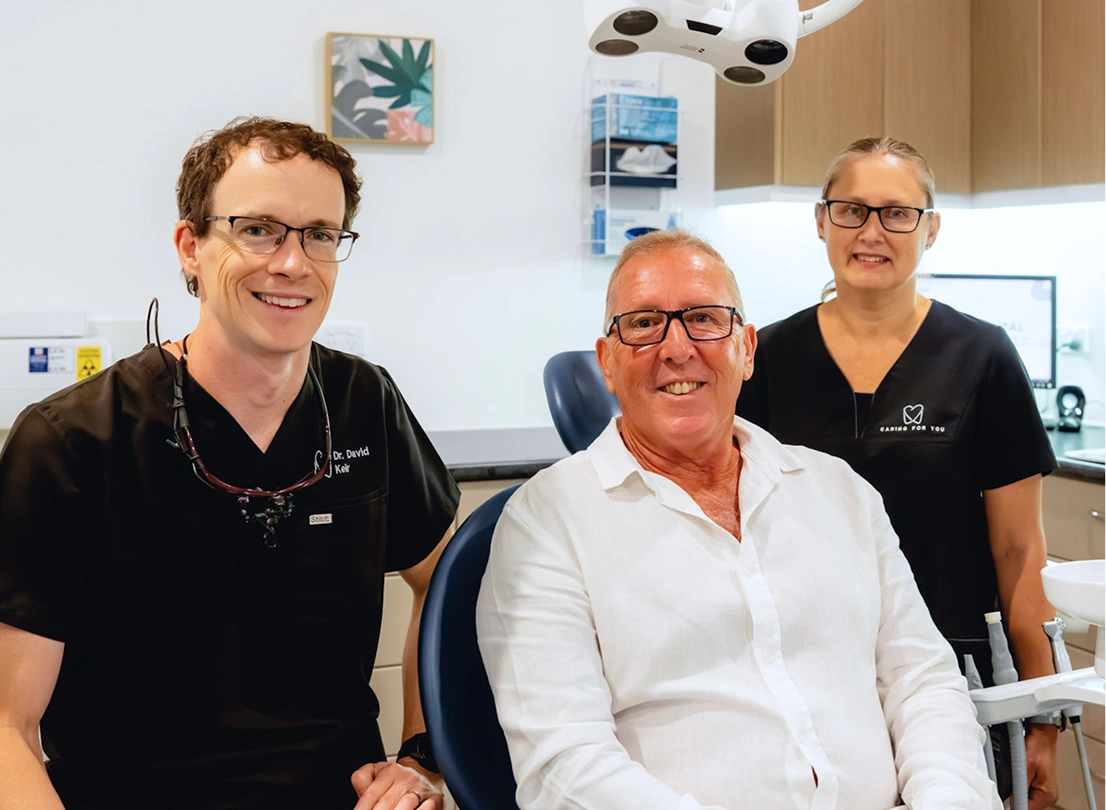
Feeling nervous about the dentist is completely normal. Our team has years of experience helping anxious patients feel at ease. We’ll go at your pace, explain everything clearly, and never make you feel rushed or judged.
MODERN, COMPREHENSIVE CARE
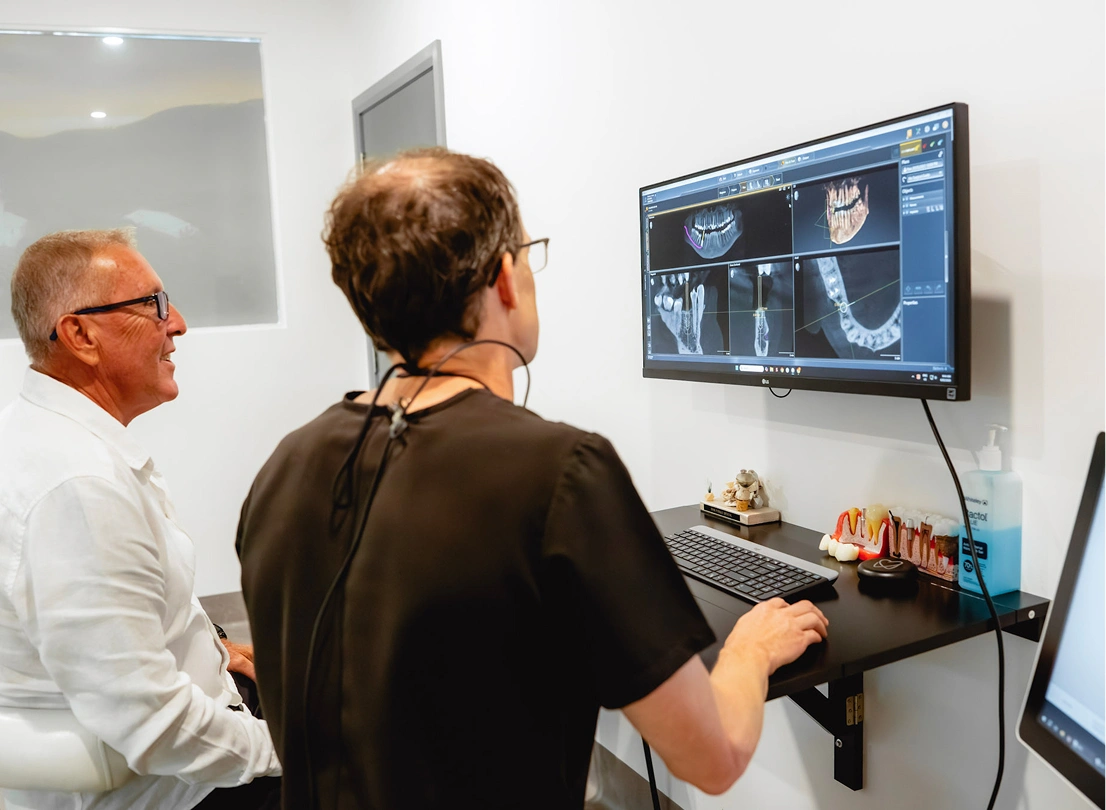
We’ve invested in technology that makes your experience better. CEREC same-day crowns, 3D imaging, digital scanners, and smile design software mean more accurate treatment, less waiting around, and results you can see before we start.

WE STAND BEHIND OUR WORK
All major dental work comes with a three-year guarantee. It’s our way of showing confidence in the quality of care we provide and giving you genuine peace of mind about your treatment.

GETTING TO KNOW YOU
We take time to listen and understand what matters to you. You’re not just another appointment in the schedule. We’re here to build a relationship with you and support your oral health for the long term.

NO SURPRISE COSTS
We’ll always explain costs upfront, so you know exactly what to expect. Interest-free payment plans are available through SmileRight and Humm, making quality dental care more accessible without the financial stress.

A GENTLE APPROACH
Many of our patients tell us they’ve avoided dental visits for years. We understand that anxiety is real. Our team has extensive experience helping nervous patients feel comfortable, safe, and supported throughout their care.
TECHNOLOGY THAT MAKES A DIFFERENCE
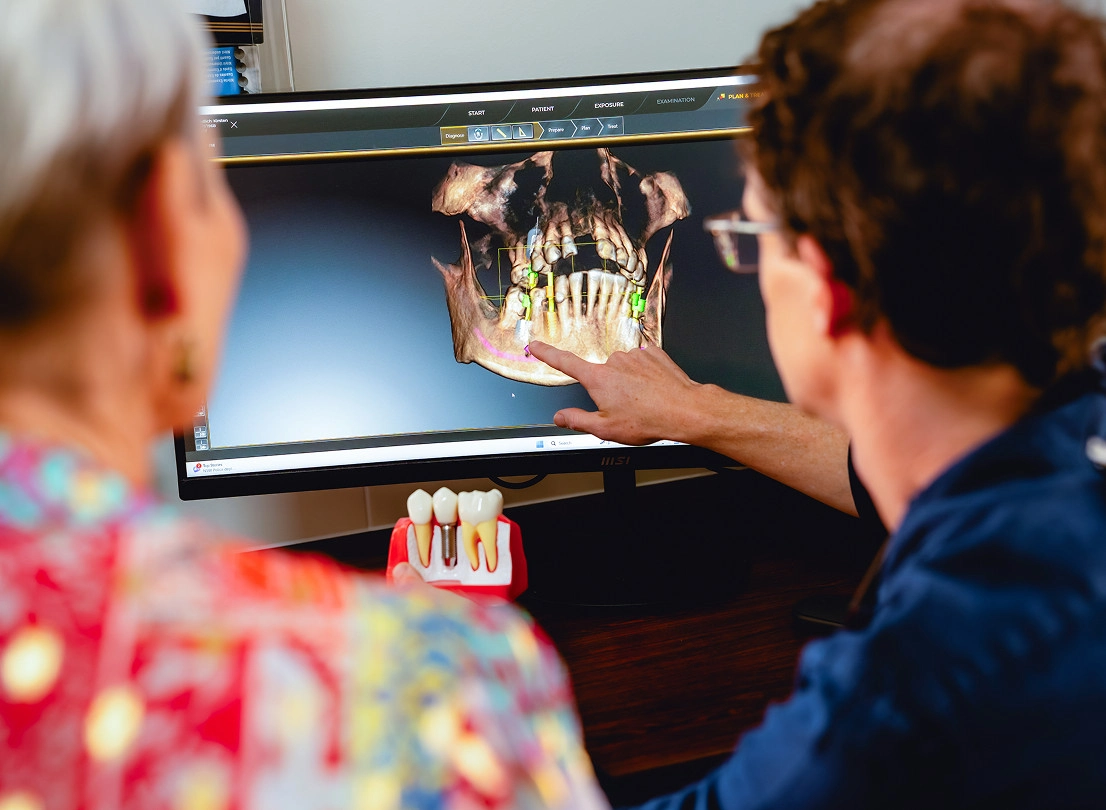
CEREC same-day crowns, 3D imaging, digital scanners, and smile design software improve precision and reduce treatment time. Modern equipment means more accurate results, fewer appointments, and a better experience for you.
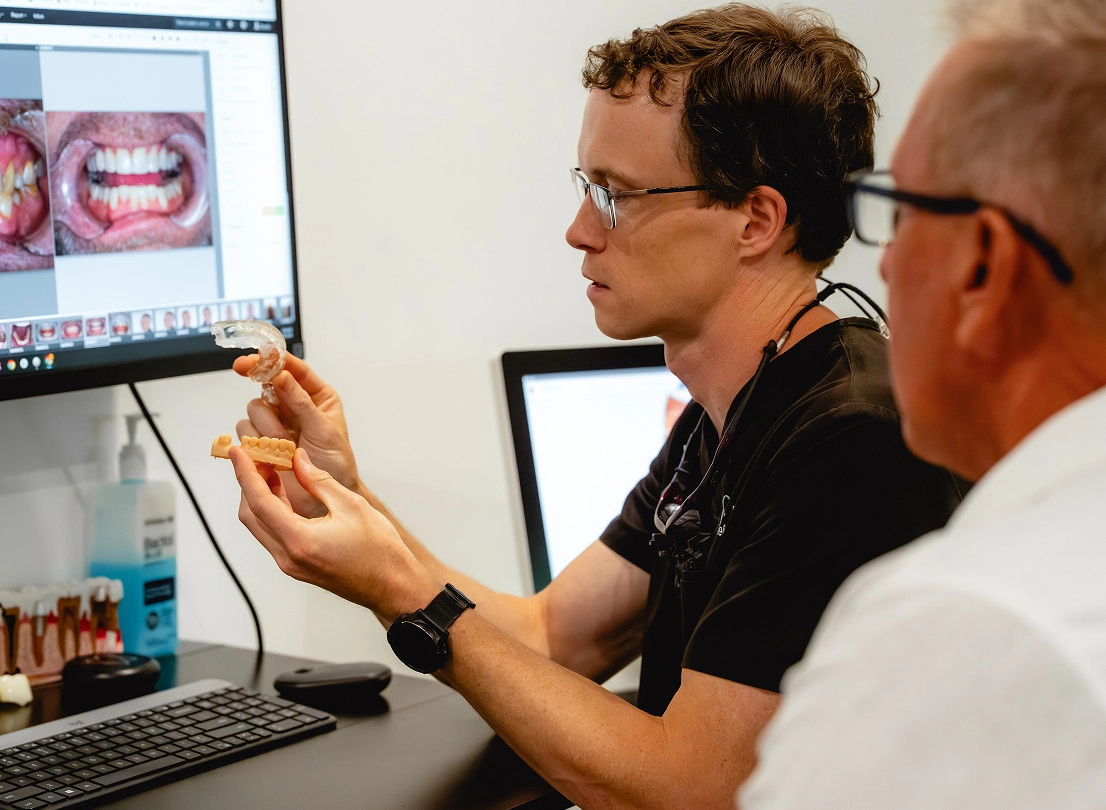
QUALITY YOU CAN RELY ON
All major dental work comes with a three-year guarantee. This commitment reflects the quality standards we hold ourselves to and demonstrates our dedication to providing care you can trust for years to come.
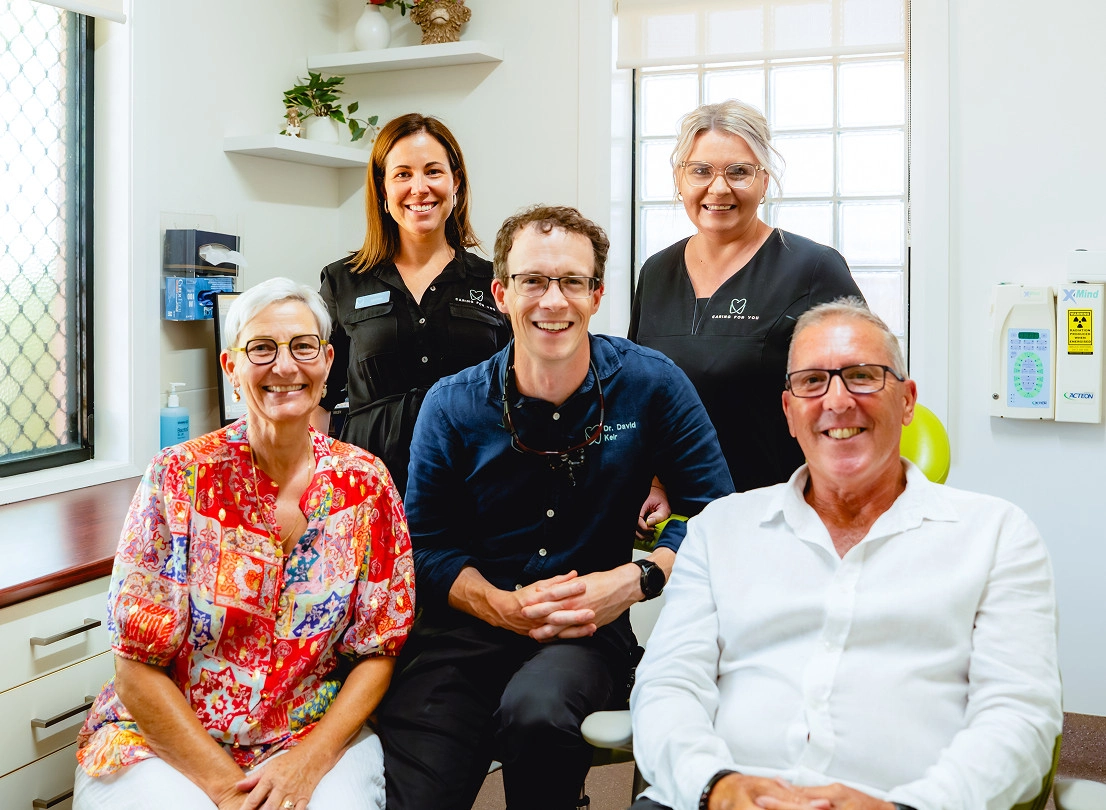
BUILDING LASTING RELATIONSHIPS
You’re not another appointment in the schedule. We invest time getting to know you, understanding your concerns, and creating treatment plans that align with your life. We’re here to support your oral health long term.

CLEAR COSTS FROM THE START
We explain all costs upfront so you know exactly what to expect. No hidden fees or surprise bills. Interest-free payment plans through SmileRight and Humm make quality dental care accessible and manageable.
related treatment

Medically Reviewed by Dr. David Keir
Last Reviewed: March 29, 2026
Medically Reviewed by Dr. David Keir
Last Reviewed: March 29, 2026
NEED A TOOTH REMOVED?
We’ll make the process as comfortable as possible.
Call us today on 02 6423 2276 or book your appointment online at your convenience.